
48 Hours in Berlin: History, Nightlife, and Currywurst
Invalid Date
Berlin rewards the visitor who comes without a tight itinerary. The city is contradictory by design: monumental and scrappy, historically heavy and relentlessly forward-looking. Forty-eight hours is enough to feel its pulse, even if it leaves you wanting more.
Getting There and Getting Around
Berlin Brandenburg Airport (BER) is served by most major European carriers and plenty of low-cost operators. Ryanair (FR), easyJet (U2), Wizz Air (W6), and Eurowings (EW) all fly BER from UK and European cities. Return fares from London often sit in the £60–£120 range if you book three to six weeks ahead. From the US, Lufthansa (LH), United (UA), and American (AA) operate transatlantic services into Berlin, often routing through Frankfurt (FRA) or Munich (MUC).
The city's public transport network (BVG) is excellent. The Airport Express (FEX) train connects BER to Ostbahnhof, Alexanderplatz, and Hauptbahnhof in about 30 minutes. A 48-hour travel pass costs around €16 and covers all U-Bahn, S-Bahn, tram, and bus services. Berlin is also a cycling city — rental bikes and shared e-scooters are available everywhere.
Day One: East Berlin and History
Start at Alexanderplatz. The Fernsehturm (TV Tower) looms overhead — built by the East German government in 1969, it remains the tallest structure in Germany. Climb it for the view if you're in the mood for queues; skip it if you'd rather spend the time walking.
Head south toward Museum Island (Museumsinsel), a UNESCO World Heritage Site sitting in the Spree river. The Pergamon Museum houses one of the world's great collections of ancient architecture, including the reconstructed Pergamon Altar and the Ishtar Gate from Babylon. Entry is around €14. If ancient history isn't your focus, the Alte Nationalgalerie next door holds a strong 19th-century European art collection.
From Museum Island, walk along Karl-Liebknecht-Strasse to the Berlin Cathedral (Berliner Dom) — the exterior is more impressive than the interior but worth a photo stop — then continue to the Lustgarten and the reconstructed Berlin Palace (Humboldt Forum), which opened in 2021.
Afternoon: make your way to Checkpoint Charlie and the Cold War Museum on Friedrichstrasse. The museum can feel touristy and commercial, but the documentation of escape attempts across the Berlin Wall is genuinely moving. From there, walk east along Zimmerstrasse and find the preserved sections of the Wall at the Topography of Terror, an outdoor and indoor museum built on the former headquarters of the SS and Gestapo. Entry is free and the documentation is unflinching.
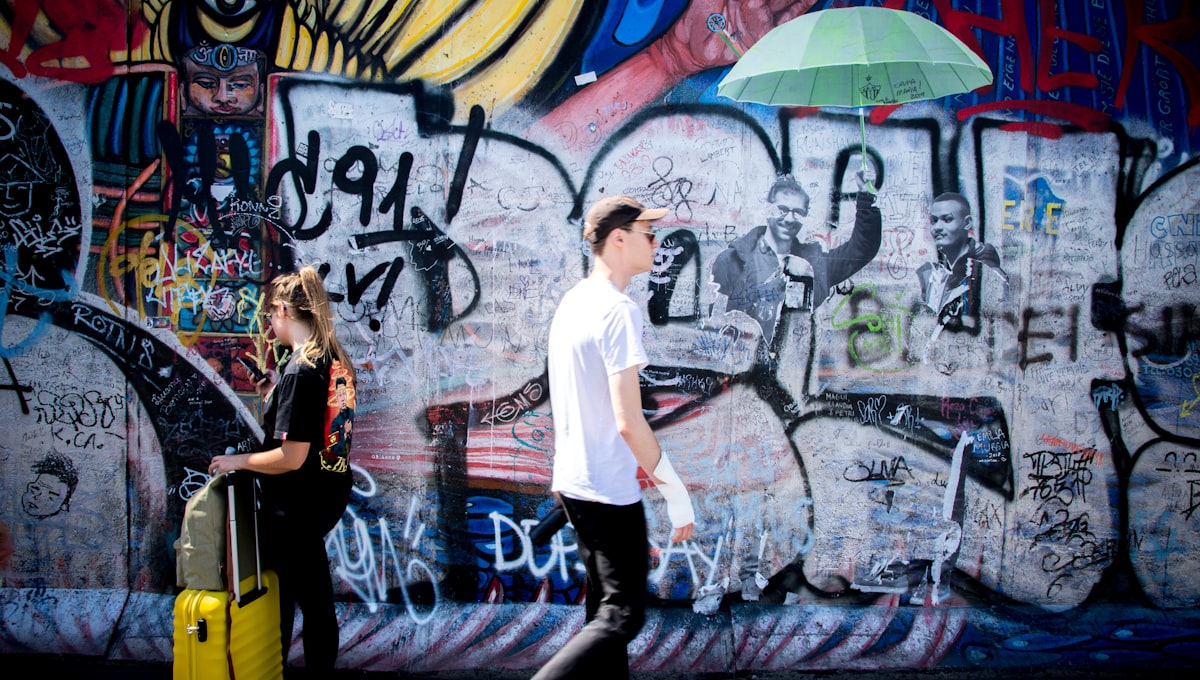
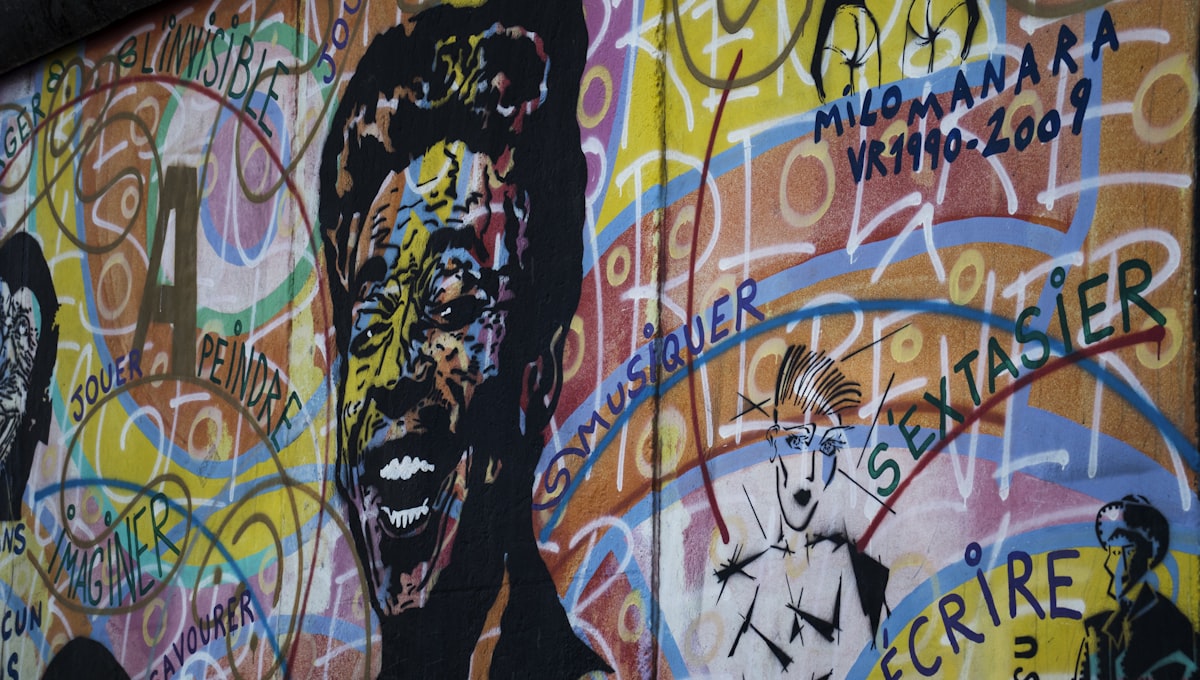
End the afternoon at the East Side Gallery — the longest preserved stretch of the Berlin Wall, painted with murals by artists from 21 countries in 1990. Walk the 1.3 km length in the late afternoon light.
Dinner in Friedrichshain: Boxhagener Platz has a cluster of restaurants and bars that cater to the neighbourhood's mix of locals and visitors. Markthalle Neun in nearby Kreuzberg hosts a Thursday street food market (Streetfood Thursday, 5–10 pm) that's worth timing a visit around.
Day Two: West Berlin, Markets, and Nightlife
Cross to the former West. Start at the Brandenburg Gate, then walk through the Memorial to the Murdered Jews of Europe — an abstract field of 2,711 concrete stelae of varying heights. The underground information centre beneath it provides historical context; don't skip it.
Head west along Unter den Linden and across to the Tiergarten, Berlin's vast central park. Cut through to the Kulturforum museum complex: the Gemäldegalerie holds an outstanding collection of European paintings from the 13th to the 18th centuries, with particular depth in Dutch and Flemish masters. Entry costs €10.
Lunch in Mitte or Charlottenburg. Berlin's food scene has expanded well beyond döner kebab, though the original Mustafa's Gemüse Kebap on Mehringdamm in Kreuzberg remains one of the city's enduring arguments for street food. The wait can be 30–45 minutes on weekends.
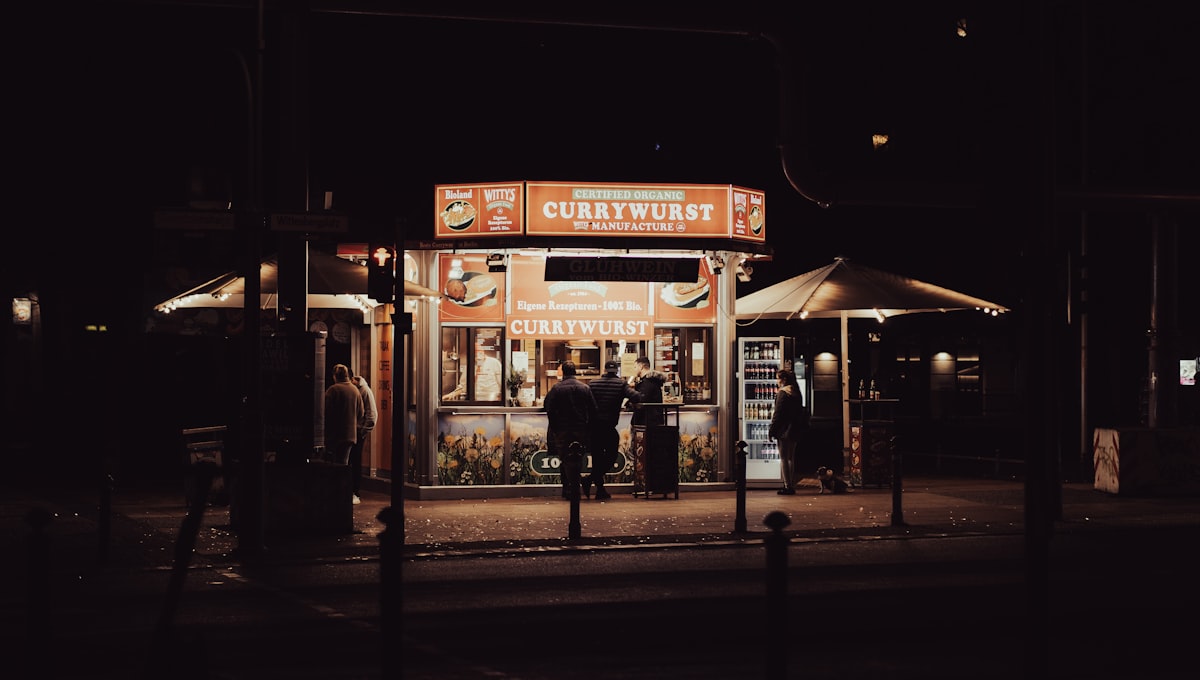
For currywurst — arguably Berlin's signature dish — Curry 36 at Mehringdamm or Konnopke's Imbiss under the U2 viaduct in Prenzlauer Berg are both legitimate institutions. The dish is simple: a fried pork sausage, sliced, doused in a spiced tomato-curry sauce and served with chips or a bread roll. It costs €3–4. It is excellent.
Afternoon: explore Prenzlauer Berg on foot. The neighbourhood was largely untouched by wartime bombing and retains dense Wilhelmine-era architecture. The Mauerpark flea market (Sundays) is worth the trip if your timing aligns — street food, vinyl, vintage clothing, and a weekly community karaoke in the open-air amphitheatre.
Nightlife
Berlin's club scene has a global reputation that is fully deserved. Berghain, the former power station in Friedrichshain, remains the most discussed techno club in the world. The door policy is strict, the music starts late and goes for days, and photography is banned inside. Nearby clubs in the same complex include Panorama Bar (house and techno, earlier hours) and the Kit Kat Club. Watergate on the Spree river has a terrace and resident DJs who focus on deeper house sounds.
For a more relaxed evening, the bars along Simon-Dach-Strasse in Friedrichshain are open late and accessible. Klunkerkranich on a Neukölln rooftop car park offers city views at sunset. Prater Garten in Prenzlauer Berg is Berlin's oldest beer garden, outdoor, cash-only, and genuinely pleasant.

Practical Notes
Berlin is notably affordable by Western European capital standards. A good sit-down meal with beer costs €12–18. The city runs on cash more than most — keep €50 in your wallet. Many smaller bars, clubs, and markets are cash-only. Hotel prices vary widely; Mitte and Prenzlauer Berg tend to be pricier than Neukölln or Friedrichshain, where independent guesthouses and hostels remain reasonably priced.
Forty-eight hours in Berlin is a taster. The city rewards repeat visits more than almost any other in Europe.