48 Hours in Lisbon: The Perfect Weekend Itinerary
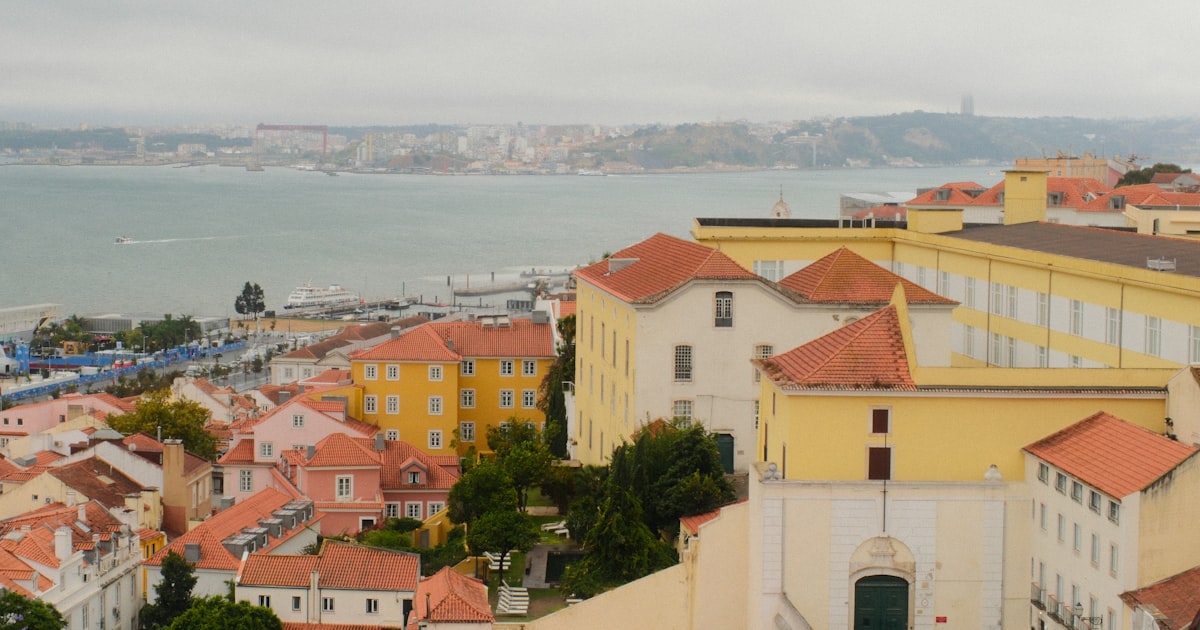
Lisbon is the kind of city that surprises people. You expect it to be pleasant, and instead you find it genuinely enchanting — a city of yellow trams rattling up cobblestone hills, panoramic miradouros where the whole city spreads below you, and the persistent scent of salt air rolling in from the Tagus. Two days here won't be enough to see everything, but with a tight itinerary you can hit the essential neighbourhoods, eat brilliantly, and leave with a very clear idea of why you need to come back.
This guide is built for a Friday evening arrival or an early Saturday morning start. It covers where to go, what to eat, and a few things that are easy to skip if you're short on time.
Day 1: Alfama and the Old City
Start in Alfama, Lisbon's oldest neighbourhood and the one that best survived the 1755 earthquake. The streets here don't follow a grid — they spiral upward in a tangle of steep lanes, laundry lines, and blue-tiled walls. Don't bother trying to navigate efficiently. The point is to wander.
Work your way up to the Castelo de São Jorge, a Moorish castle that's been perched on Lisbon's highest hill since the 11th century. Skip the museum inside if time is short — you're really here for the battlements, which offer the best views of the city's terracotta rooftops and the glittering Tagus beyond. Arrive when it opens at 9am to beat tour groups.
From the castle, walk down through the backstreets toward Largo das Portas do Sol, one of the city's best viewpoints. Stop at any of the small tascas (local taverns) here for a mid-morning coffee. Lisbon's coffee culture is excellent and cheap — a bica (espresso) costs around €0.80 almost anywhere that isn't a tourist trap.
In the afternoon, take Tram 28. Yes, it's crowded. Yes, every tourist guidebook mentions it. Take it anyway, because it exists for a reason — it climbs gradients that would defeat any normal bus and passes through neighbourhoods you wouldn't otherwise find. Board at Martim Moniz, ride it uphill through Alfama and Graça, and get off whenever something looks interesting. The whole loop takes about 45 minutes if you stay on.
Finish the afternoon in Bairro Alto, Lisbon's bohemian hillside neighbourhood. By day it's a grid of narrow streets with indie record shops, vintage clothing stores, and small art galleries. By night it turns into one of the city's main bar districts — a useful thing to know for later.
For a pre-dinner detour, walk down to the Miradouro de Santa Catarina, where locals gather in the late afternoon with cans of beer and views across the river. It's less polished than the official viewpoints and better for it.
Where to Eat in Lisbon
Lisbon eats well and, by Western European standards, cheaply. A lunch at a neighbourhood restaurant with wine will set you back €10-15 per person. Dinner at a decent sit-down place, €20-30. Michelin-starred restaurants exist, but you don't need them to eat exceptionally here.
Pastéis de Belém (Rua de Belém, 84) is the one mandatory food pilgrimage in Lisbon. These are the original pastéis de nata — egg custard tarts in flaky pastry, served warm, dusted with cinnamon and icing sugar. The recipe hasn't changed since 1837. The queue outside is usually long; move quickly through it. Order at least three. They're €1.40 each.
For lunch in Alfama, look for places with handwritten menus and no English translations in the window. Bacalhau (salt cod) is the national dish and comes in supposedly 365 variations — bacalhau à brás (shredded with eggs and potato straws) is the most approachable and found almost everywhere. Pair it with a glass of vinho verde.
For dinner, Time Out Market (Mercado da Ribeira, near Cais do Sodré) is a legitimate food hall and not just a tourist trap, largely because Lisbon's best restaurant operators run stalls there. Taberna da Rua das Flores for Portuguese classics, O Talho for the beef burger that people queue for, and Landeau for what might be the best chocolate cake in Europe. Arrive before 7pm to get a table without a wait.
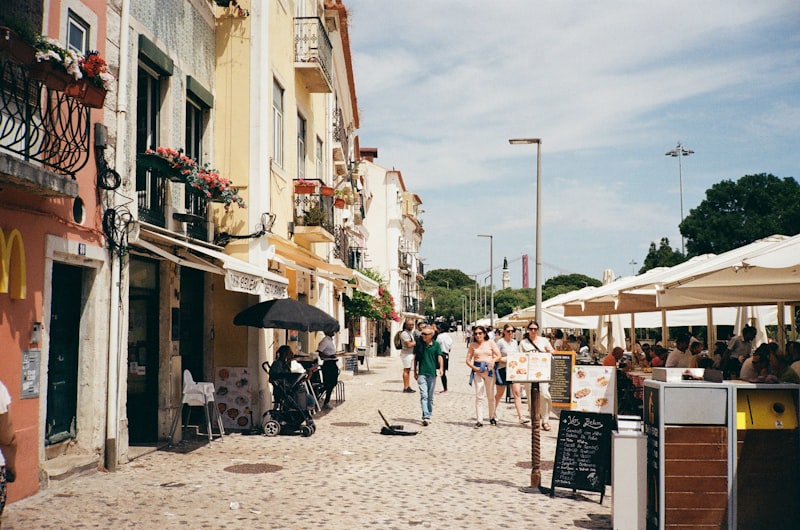
End the evening on Pink Street (Rua Nova do Carvalho), a pedestrianised strip painted bubblegum pink that runs through the Cais do Sodré nightlife district. It's louder and more touristy than Bairro Alto, but fun for an hour. Pick up a ginja shot — a sour cherry liqueur served in a tiny cup — from one of the street vendors. It costs about €1 and is an entirely authentic Lisbon tradition.
Day 2: Belém and Beyond
Belém sits about 6km west of the city centre along the riverfront, and it's worth the trip. This is where Portugal's Age of Exploration launched from — Vasco da Gama left from Belém in 1497 — and the monuments here have a weight that's hard to ignore.
The Jerónimos Monastery (Mosteiro dos Jerónimos) is the centrepiece, and it's genuinely extraordinary. The exterior is a riot of Manueline stonework — ropes, armillary spheres, coral, and maritime imagery carved into the limestone facade. The interior cloister is quieter and better: two tiers of arched corridors that seem to breathe. Tickets are €10, and it opens at 9:30am. Budget 90 minutes minimum.
Walk five minutes to the Tower of Belém (Torre de Belém), a 16th-century fortified tower that sits at the river's edge and makes for a good photograph even if you don't go inside. The queue to enter is usually longer than the tower justifies — spend the time at Pastéis de Belém instead, which is a three-minute walk back.
In the afternoon, return to the city and visit LX Factory, a converted 19th-century industrial complex in the Alcântara neighbourhood that now houses design shops, galleries, a Sunday market, and several excellent restaurants and bars. The Sunday market is worth building your schedule around if you can — vintage furniture, local crafts, and a farmers' market component make it genuinely good rather than just Instagrammable.
Spend the remaining daylight hours at Miradouro da Graça, arguably the best panoramic viewpoint in the city. It looks out over the Alfama rooftops you wandered through yesterday, the castle above them, and the Tagus stretching south. Find a bench, buy a beer from the kiosk, and stay until sunset.
Where to Stay
The best neighbourhood to base yourself is Chiado or the bordering Baixa district. Both are walkable to Alfama, Bairro Alto, and the riverfront, with good Metro connections for the Belém trip. Chiado has slightly better restaurants; Baixa has slightly lower hotel prices.
Budget travellers can find well-reviewed hostels with private rooms for €60-80 a night. Mid-range hotels run €100-160. The city has excellent boutique options in converted heritage buildings — many of the best ones are small, independent properties rather than international chains, and they're often priced comparably.
Avoid staying in Alfama itself unless you're specifically after the atmosphere. It's beautiful by day and quieter at night, but the hills make it less convenient as a base, and the cobblestones are genuinely hard on luggage.
Getting Around
Lisbon's city centre is more walkable than it looks on a map, with one major caveat: it's hilly. The hills are steep enough that you'll want to plan your routes around going downhill when possible, and use the lifts (elevadores) and funiculars the city has installed for exactly this reason. The Elevador de Santa Justa is the famous one — worth taking once for the view from the top, though the queue can be 30-40 minutes on weekends.
From the airport, the Aerobus (Line 1) runs directly to Marquês de Pombal, Avenida da Liberdade, and Cais do Sodré for €4. It's slower than a taxi in traffic, but reliable and cheap. A taxi or Uber from the airport to the centre runs €15-20 and takes 20-30 minutes depending on traffic.
For getting around the city, buy a Viva Viagem card (€0.50) at any Metro station and load it with a 24-hour pass (€6.70) that covers Metro, trams, buses, and the elevadores. It's the most cost-effective option for anything beyond walking distance. Note that Tram 28 is included, which partly justifies its tourist premium.
Rideshare (Uber and Bolt both operate in Lisbon) is cheap and useful for longer distances or getting to Belém if you'd rather not deal with the train.
Best Time to Visit
Lisbon is one of Europe's most climate-blessed cities, with over 300 days of sunshine a year. That said, the timing of your visit makes a real difference.
April through June is the sweet spot: temperatures sit between 18-24°C, the Atlantic wildflowers are out, and the summer crowds haven't arrived. Hotel prices are moderate and the city feels like it belongs to locals again after the grey winter.
September and October are nearly as good. The summer heat has dropped, the light turns amber and gorgeous, and prices fall sharply from August peaks. September is arguably the best month of all — warm enough to eat outside comfortably, cool enough to walk without sweating through Alfama's hills.
July and August are hot (30-35°C), expensive, and crowded. Not unbearable, but you'll share every attraction with most of Europe on summer holiday. November through February is quiet and inexpensive, but expect rain, shorter days, and some attractions running reduced hours. The city is beautiful in winter light if you don't mind the weather.
Planning a trip to Lisbon? Find the cheapest flights from your city across 97 markets
Search Flights on RegionFareOne thing worth knowing before you book: flight prices to Lisbon vary significantly depending on where you buy your ticket. Airlines use regional pricing, meaning the same flight can cost 10-25% less if booked through a different country's booking platform. RegionFare searches across 97 markets automatically and shows you the cheapest version of your fare — it's the easiest way to avoid overpaying on the flight so you have more to spend on pastéis de nata. See also our guide to why flights cost different amounts in different countries if you want to understand how regional pricing actually works.