
72 Hours in Barcelona: Beyond La Rambla
April 30, 2026
La Rambla is fine as a transit corridor. As a destination, it delivers mediocre food at triple the going rate, a pickpocketing operation that the Barcelona city government has been managing for twenty years with limited success, and the singular experience of being in a crowd of people equally confused about why they're all standing here. The good news is that everything worth seeing in Barcelona is within fifteen minutes of La Rambla, and none of it requires walking down it.
Here is how to spend 72 hours properly, neighborhood by neighborhood.
Getting There: What You Should Actually Be Paying
Barcelona–El Prat (BCN) is one of the most competitive short-haul routes out of London. BA operates from LHR (currently £95–£140 one-way), Vueling from LGW (£55–£90), and easyJet from LGW and LTN (£45–£85). From Manchester (MAN), easyJet and Ryanair cover the route from £60–£110. These are headline prices — the actual prices available to a prepared traveler are often meaningfully lower.
The same Vueling or easyJet ticket priced through the Polish or Czech market on a cross-market comparison tool can run 10–18% cheaper. This isn't because the airline is different — it's the same FR/U2/VY flight — but because regional OTA pricing adjustments mean the identical ticket appears cheaper when purchased through a non-UK storefront. A RegionFare check on this route takes two minutes and frequently finds £15–£35 savings, which is the cost of a very good dinner on the first night in the Gothic Quarter or a full afternoon of museum admissions.
The train from BCN airport (T1 and T2) to Passeig de Gràcia station is €4.60 and takes 25 minutes. Don't take a taxi from the airport unless you have three pieces of luggage per person and a genuine reason not to use public transport.
Day One: El Born and Sant Pere
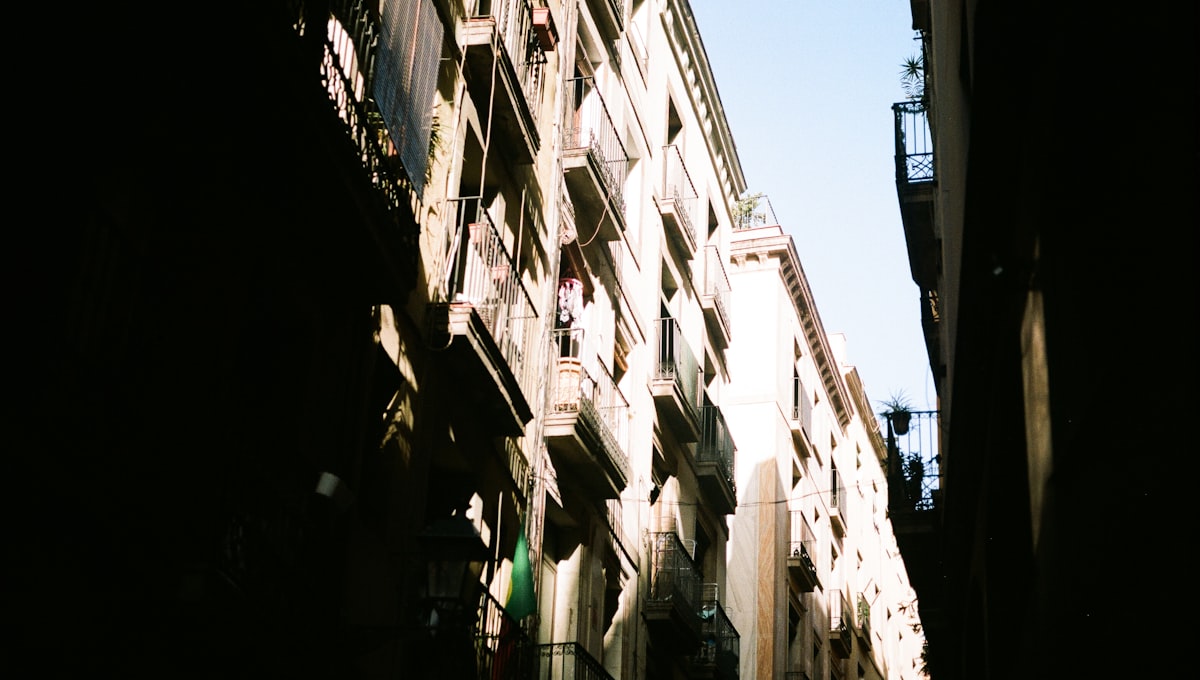
El Born is the neighborhood that Barcelona's tourism board pretends La Rambla is. The streets are narrow and genuinely medieval, the buildings predate the Eixample grid by centuries, and the density of good bars and restaurants per square metre is, by any reasonable measure, the highest in the city.
Breakfast: Federal Café on Carrer del Parlament — technically just inside Sant Antoni, but the combination of good flat whites (€3.50) and properly made avocado toast (€8) is worth the ten-minute walk. Go before 9am. After 9:30am, the queue extends to the doorstep and the wait eliminates whatever efficiency you gained by rising early.
Morning: Walk north through El Born. Spend an hour at the Basílica de Santa Maria del Mar before the tour groups arrive. This is, architecturally, a more interesting building than the Sagrada Família — it's pure Catalan Gothic, built between 1329 and 1383 by the workers of the Ribera quarter who carried stones from the Montjuïc quarry themselves, one stone per person per day as a labor tithe. The building's coherence is a direct result of having a single patron (the seafarers and merchants of the Ribera) and a tight construction timeline. The nave proportions are extraordinary, and the entrance is free.
Lunch: Bar del Pla on Carrer de la Montcada. The croquetas de bacallà (€8 for four) are the best single dish on this street, which says a lot given the competition. The pan con tomate (€3.50) is the Catalan baseline — tomato rubbed directly on toasted bread with olive oil — and the house vermouth (€4) is an honest pour of red Martini with an orange slice and an olive. A proper lunch for two with wine is €45–€60. This is not a tourist trap: the clientele is predominantly local, the staff don't upsell aggressively, and the kitchen closes at 4pm like a sensible establishment.
Afternoon: The Picasso Museum on Carrer de Montcada (€14, booking online is essential — walk-up queues run 45–60 minutes on any day above 18 degrees). Picasso spent his formative years in Barcelona before moving to Paris, and the museum's collection of early work — including the complete Las Meninas series he made in 1957 in conversation with Velázquez — is more interesting than the Cubist work that made him famous. Budget 90 minutes.
From the museum, walk through the Born Market (Mercat de Born) — the 19th-century cast-iron market building now covers an excavated archaeological site: the remains of the Ribera neighbourhood that Felipe V demolished in 1714 after the War of Spanish Succession as collective punishment. The exhibition is free, the history is dark, and it takes 30 minutes.
Dinner: Bodega Sepúlveda in Sant Antoni (Carrer de Sepúlveda 180). This is a wine bar that takes natural wine seriously: the list runs to 80+ bottles, most under €35, sourced predominantly from small Catalan and Spanish producers. The food is anchored by a short menu of snacks — anchovies with cultured butter (€9), seasonal vegetables with romesco, good cheese — and the kitchen is explicitly secondary to the cellar. Book ahead for 9pm; they fill consistently.
Day Two: Gràcia and Park Güell
Gràcia was an independent municipality until forcibly incorporated into Barcelona in 1897, and it retains a distinct identity. The streets are quieter, the buildings are lower, and the neighborhood's population is a mix of long-term residents, artists, and families who moved here specifically to avoid the pace of the Eixample. The plaças — small squares where people actually sit and have conversations rather than photograph them — are the defining feature: Plaça del Sol, Plaça de la Vila de Gràcia, Plaça de la Virreina, each with its own social character.
Breakfast: La Pepita on Carrer de Còrsega. The queue outside on weekday mornings is a reliable indicator of quality — this is one of the better bakeries in the city, and the butter croissant (€2.80) is properly laminated, not the doughy impostor served by hotel buffets. The cardamom cinnamon roll (€3.20) is the better choice if you arrive after 9am and they're out of croissants.
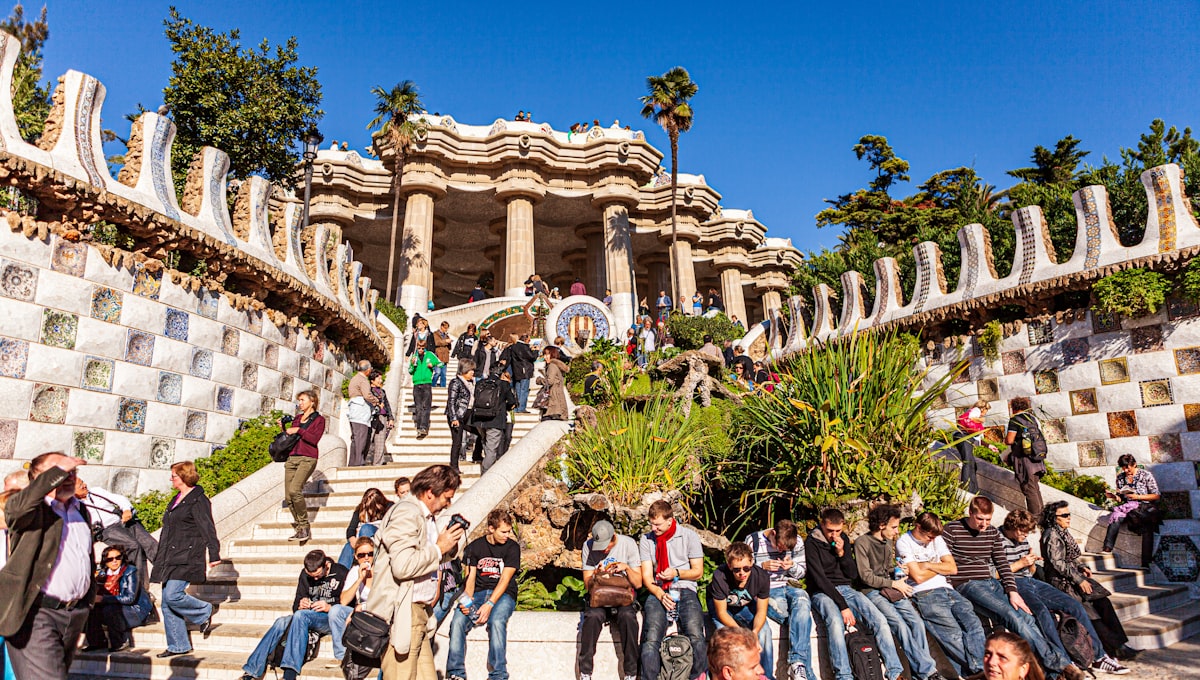
Park Güell: The Monumental Zone requires timed entry (€10, book online — spontaneous visits are no longer possible and haven't been since 2013). Book the 8am slot. By 10am the main terrace is genuinely crowded, and the designed serenity of Gaudí's ceramic mosaic benches is replaced by the managed chaos of group photography. At 8am, with low light coming in from the east over the Collserola hills, the space communicates exactly what it was designed for.
The rest of Park Güell outside the Monumental Zone is free and worth an hour — the viaducts, the forested paths, the Calvary viewpoint above the official terrace. Most visitors leave after the paid zone and miss the better views entirely.
Lunch: Nou Candanchu on Plaça de la Vila de Gràcia. Sit outside. Order the menú del día — typically €14 for three courses with house wine and bread — and spend 90 minutes watching the square rather than your phone. The daily menu rotates but the escalivada (roasted aubergine and pepper with anchovies) appears reliably as a starter, and the grilled fish of the day is always the right choice over the meat option here.
Afternoon: Walk south through the Eixample grid to Passeig de Gràcia for the Modernisme architecture. The Manzana de la Discòrdia block concentrates three landmark buildings by competing architects: Casa Lleó Morera (Domènech i Montaner, 1906), Casa Amatller (Puig i Cadafalch, 1900), and Casa Batlló (Gaudí, 1906). The facades alone justify thirty minutes on the pavement. Casa Batlló offers timed interior entry at €35 — the evening "Magic Nights" experience with projected light mapping is genuinely spectacular if you're amenable to immersive entertainment attached to historical architecture. It's the best single-ticket building experience in Barcelona if you've already seen the Sagrada Família.
The Sagrada Família deserves mention: it is a valid and extraordinary building that remains under construction after 140 years and will, eventually, be finished. The interior since the nave towers were completed in 2010 is worth the €26 entry. Book the tower access add-on (€9 extra) for the elevated view. The facade details reward an hour of attention. Just don't walk through the interior in 20 minutes and decide you're done.
Dinner in Poble-sec. Take the metro two stops south on L2. Carrer de Blai is a dense strip of pintxos bars — popular, well-known, and actually good, which is a rarer combination than it sounds. Bar Calders on Carrer del Parlament is the better sit-down option: serious vermouth selection, rotating pintxos on the bar, a short wine list that changes seasonally.
Day Three: Barceloneta, Montjuïc, and Departure
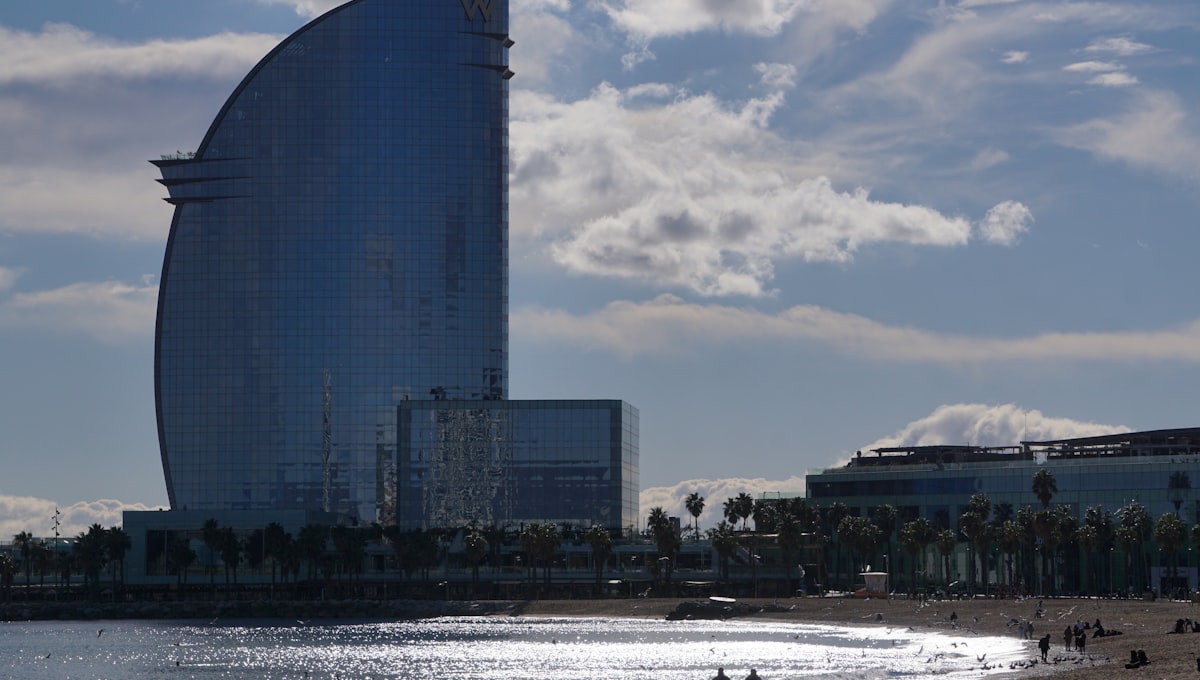
Morning swim at Barceloneta, if the weather is above 20 degrees. The beach is not remarkable by Mediterranean standards — the water is the colour of weak tea in summer — but it is a ten-minute walk from the Gothic Quarter and free, and swimming in the sea before 9am while the city is still waking up is one of the better ways to spend a morning in any city. Go before 9:30am.
Coffee at Bar Leo on Carrer de la Pau, Barceloneta. €1.80 for an espresso, €2.20 for a cortado, consumed standing at the bar. The bar has been operating in essentially the same form since 1970. No WiFi, no oat milk, no aesthetic. Highly recommended.
Take the cable car from Barceloneta beach up to Montjuïc (€11 return, and the views over the port and city during the ascent are worth the fare). Alternatively, walk up through the Jardins de Laribal — steep, 25 minutes, the gardens are undervisited and quiet. The Fundació Joan Miró is at the top (€14, closed Mondays; check the calendar because they also close on some Spanish bank holidays).
The Miró Foundation is worth two hours. The building, designed by Josep Lluís Sert and completed in 1975, is one of the finest examples of architecture conceived specifically as a container for a particular body of art. The natural light through the skylights, the courtyard, the progression of rooms — it makes the paintings work differently than they do in any other context. The outdoor sculpture terrace has views across the port of Barcelona that are, unexpectedly, better than the cable car.
Lunch: Quimet & Quimet in Poble-sec. Tiny bodega on Carrer del Poeta Cabanyes, standing only, open 12pm–4pm on weekdays and Saturday. The montaditos (open-faced pintxos, €2.50–€4 each) are the reason to be here: salmon with Greek yoghurt and truffle honey, sardine with sweet tomato, anchovy with smoked paprika aioli. The canned seafood selection is extraordinary — this is a bar that takes conservas seriously. The vermouth is good. The bar has been run by the same family since 1914 and shows no sign of change. Get there at noon opening.
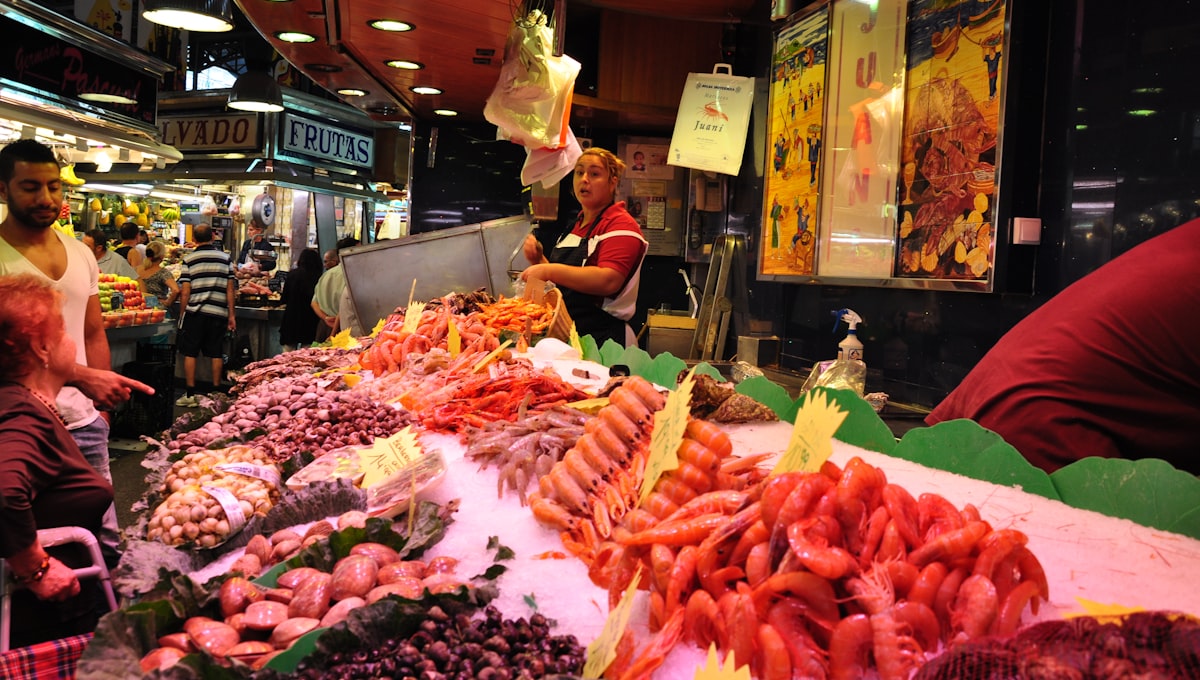
For the afternoon before a return flight, the Boqueria market is worth 45 minutes if you approach it correctly: enter from the Carrer de l'Hospital side or from the Sant Josep street entrance (not La Rambla), walk past the first two rows of stalls (tourist trap pricing, pre-cut fruit in plastic cups), and go to the back third where the actual produce market functions. Petràs, near the back left corner, has one of the better jamón carving operations in the city. The mushroom stall next to the central fish section has seasonal fungi that you won't find at home. Buy something and eat it on the walk to the metro.
What Everything Actually Costs
A realistic per-person budget for 72 hours: accommodation in El Born or Gràcia at a decent boutique hotel, €150–€200/night for a double room. Food and drink eating properly — not tourist-menu pricing, actual restaurants — €60–€80 per person per day. Museums and transport combined: €25–€35 per person per day. Total per person excluding flights: €350–€500 depending on accommodation choice.
The Hola BCN transport card (€16.40 for 48 hours, €21.20 for 72 hours) covers unlimited metro, bus, and urban train and is worth buying on arrival if you plan to use public transport more than twice a day. Single metro tickets are €2.55, which adds up quickly.
Barcelona is a city where the effort required to find the good version of anything is genuinely low — the distance between the tourist circuit and the neighborhood reality is 200 metres in most directions, and the neighborhood reality is almost always better and cheaper. The gap between La Rambla fish restaurants and the Barceloneta bars two streets behind them is roughly €30 per person per meal. The gap in quality is the reverse.