
72 Hours in Budapest: Thermal Baths, Ruin Bars, and River Views
May 9, 2026
Budapest (BUD) is one of Europe's great cities and one of its most underrated. The Hungarian capital sits astride the Danube — Buda on the west bank, Pest on the east — with a skyline of domes, spires, and neo-Gothic towers that rivals Prague but draws fewer crowds. Three days is enough to cover the essential beats and discover a few things of your own.
Getting There
Budapest Ferenc Liszt International Airport (BUD) is served from most European cities by Ryanair (FR), Wizz Air (W6), easyJet (U2), and LOT Polish Airlines (LO) among others. Return fares from London typically run £60–£130. British Airways (BA) and Lufthansa (LH) also serve the route at higher price points. From the US, connections typically route through London, Frankfurt, or Vienna.
The 100E bus connects the airport to Deák Ferenc tér in the city centre for around €1.60. Taxis are metered but the ride costs €15–20. Once in the centre, Budapest's tram and metro system (BKV) is cheap and comprehensive — a 24-hour pass costs under €3.
Day One: Buda — Castle Hill and the Banks
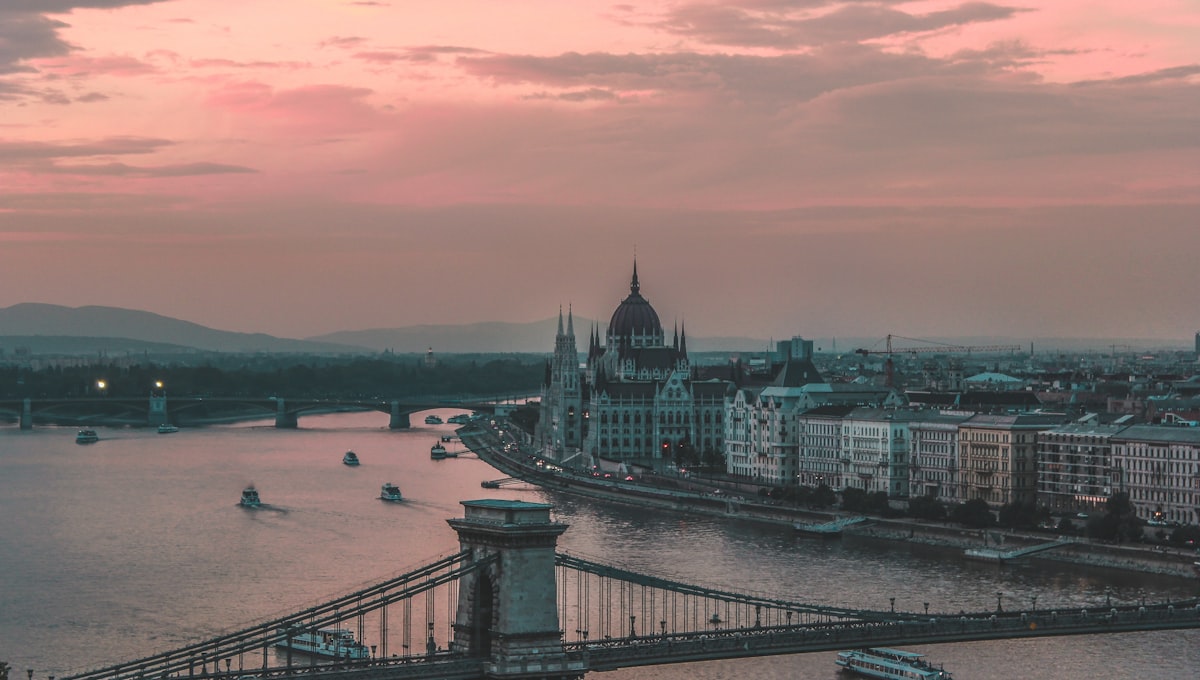
Start on the Buda side. The Castle District sits on a plateau above the river, reachable by funicular from the Chain Bridge (Széchenyi Lánchíd) or on foot up Várhegy. Buda Castle houses the Hungarian National Gallery and the Budapest History Museum — both worth an hour each. The views from the castle terrace over the Danube and across to the Pest side are definitive.
Walk along the castle ramparts to the Fisherman's Bastion (Halászbástya), a neo-Romanesque viewing terrace with turrets and arcades built at the turn of the 20th century. It's among the most photographed spots in the city. Entry to the upper level costs around €4; the lower level and surroundings are free. The Matthias Church adjacent to it is Gothic in origin, though heavily rebuilt in the 19th century — the colourful roof tiles are a distinctive visual.
Descend to the riverbank and walk north along the Duna. Cross back to Pest via the Margaret Bridge if you want to detour through Margaret Island (Margit-sziget) — a linear park in the middle of the river with running paths, rose gardens, and an outdoor pool. Otherwise cross at the Chain Bridge.
Dinner in the Belváros (inner city) or the Jewish Quarter. Kárpátia on Ferenciek tere is a century-old restaurant with Austro-Hungarian décor and a menu of goulash, paprikás csirke (chicken paprikash), and lángos (fried dough). Prices are higher than newer spots but the room itself is worth paying for.
Day Two: The Thermal Experience
Budapest sits above a network of geothermal hot springs, and bathing culture is deeply embedded in the city's identity. There are a dozen historic bath complexes; three warrant singling out.
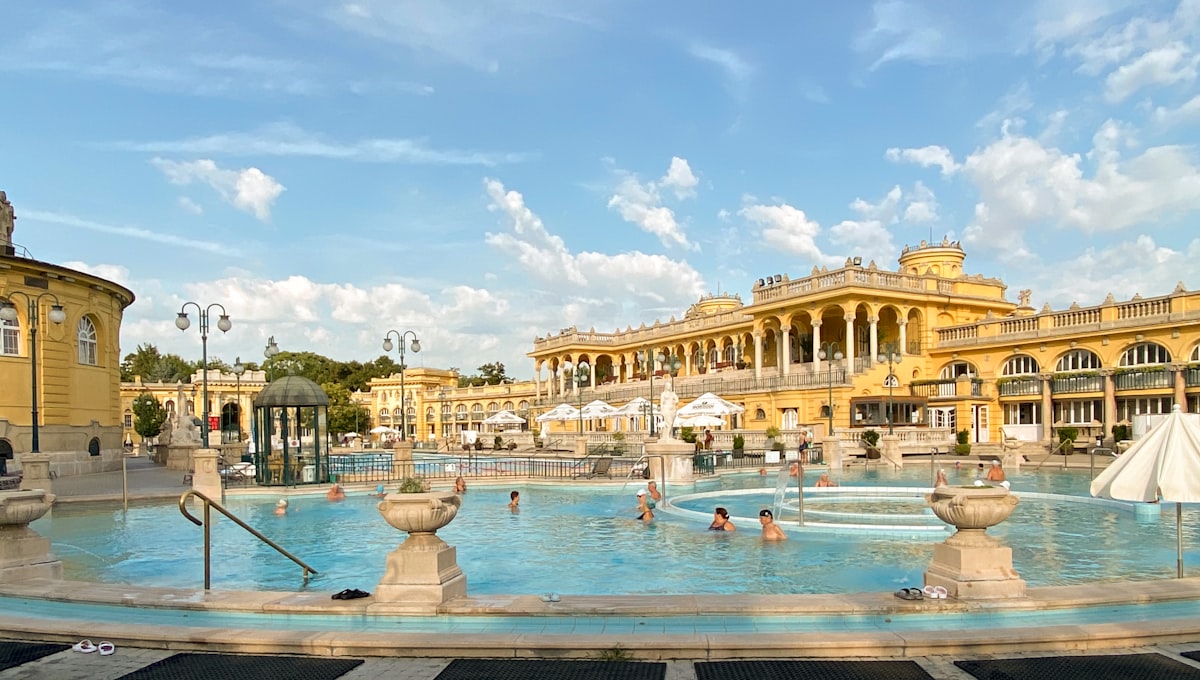
The Széchenyi Baths in City Park (Városliget) are the most famous: a sprawling neo-baroque complex with outdoor pools, indoor pools of varying temperatures, saunas, and steam rooms. Entry with a locker costs around €25. The outdoor pools are open year-round. Come early (before 10am) or after 3pm to avoid the peak tourist rush.
The Rudas Baths on the Buda side date to the Ottoman occupation of the 16th century. The central domed chamber with its star-shaped skylights is atmospherically different from Széchenyi — smaller, older, more serious. Friday and Saturday nights host a popular mixed-gender bathing event. Tickets run €18–22.
The Gellért Baths inside the art nouveau Gellért Hotel are the most architecturally impressive. The entrance hall and main indoor pool are spectacular. Entry costs around €28 but includes use of all facilities. The attached hotel has a rooftop pool with city views.
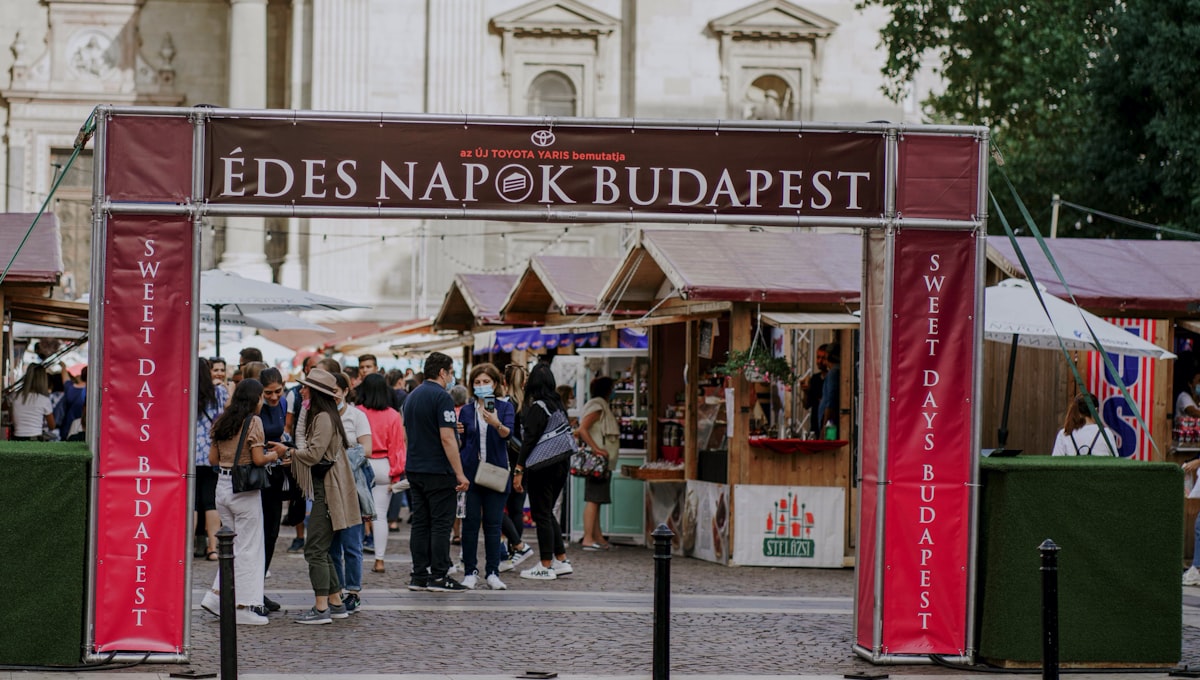
After the baths, spend the afternoon on Andrássy Avenue, Budapest's great boulevard. Walk from the Opera House (Magyar Állami Operaház) — tours available, the interior is magnificent — up to Heroes' Square (Hősök tere), a monumental plaza at the entrance to City Park lined with statues of Hungarian kings and national figures. The Fine Arts Museum on one side of the square has one of Central Europe's better collections of Spanish and Dutch masters.
Evening: ruin bars. Budapest's "ruin bar" scene began in the mid-2000s when abandoned buildings in the seventh district were repurposed as open-air bars. Szimpla Kert on Kazinczy utca is the original and still the best-known — a labyrinthine space of mismatched furniture, art, plants, and street food vendors spread across a courtyard and several floors. Sunday mornings it hosts a farmers' market. Nearby Instant-Fogas is larger and more clublike. Both are open until 4–5am.
Day Three: Great Market Hall and Parliament
Start at the Great Market Hall (Nagycsarnok) near the Szabadság bridge. Built in 1897, it's the largest indoor market in Budapest: ground floor has fresh produce, meat, paprika in every form, and traditional foodstuffs. The upper floor has souvenir stalls (touristy but concentrated) and a row of lunch counters serving lángos, kürtőskalács (chimney cake), and hot dishes.
Buy paprika here — it's the best edible souvenir from Hungary and the price is a fraction of what you'd pay elsewhere. The stalls in the back of the ground floor are slightly cheaper than the front ones.
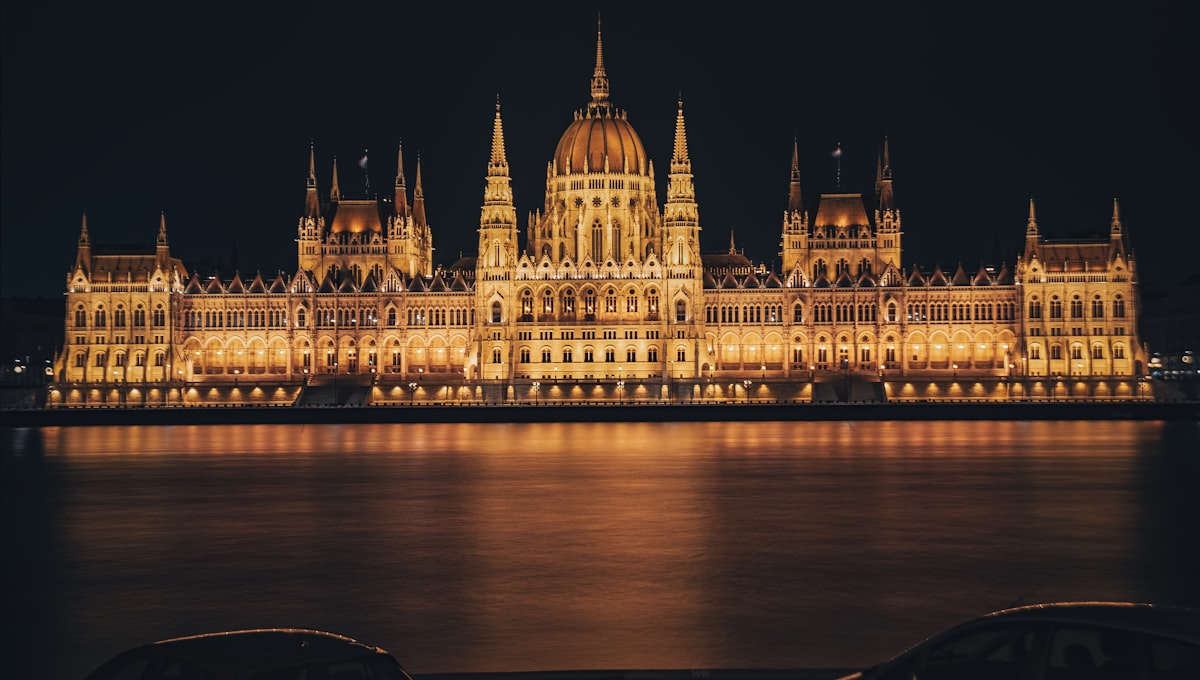
Cross Szabadság Bridge and walk north along the Pest embankment toward the Hungarian Parliament Building. One of the largest parliament buildings in the world, it was completed in 1904 in neo-Gothic style. The guided interior tour (mandatory for non-EU visitors, ~€28) covers the main staircase, the dome hall, and the room where the Hungarian Crown Jewels are held. Book in advance online — tours sell out. Even without an interior visit, the exterior view from the river and the Kossuth tér approach is extraordinary.
Lunch in the Lipótváros neighbourhood near Parliament. The area has a concentration of good neighbourhood restaurants that cater to locals rather than tourists. Try a kávéház (coffee house) — New York Café (now a tourist destination but worth seeing) or the more local-feeling Central Café or Gerbeaud on Vörösmarty tér.
Afternoon: walk through the Inner City market streets, pick up a bottle of Tokaji wine, and find a terrace from which to watch the Danube light change in the late afternoon.
What Budapest Costs
Budapest remains genuinely affordable by Western European standards. A meal with wine at a mid-range restaurant runs €15–25 per person. Beer in a ruin bar costs €2–3. A night in a well-reviewed hotel in the 5th or 7th district runs €70–120. The baths cost €18–28 per visit. Three days of comfortable travel, including decent accommodation and one nice dinner, can be done for €400–500 including flights if you time the fare correctly.