
Best Time to Visit Croatia: Coast, Islands, and How to Avoid the Crowds
May 12, 2026
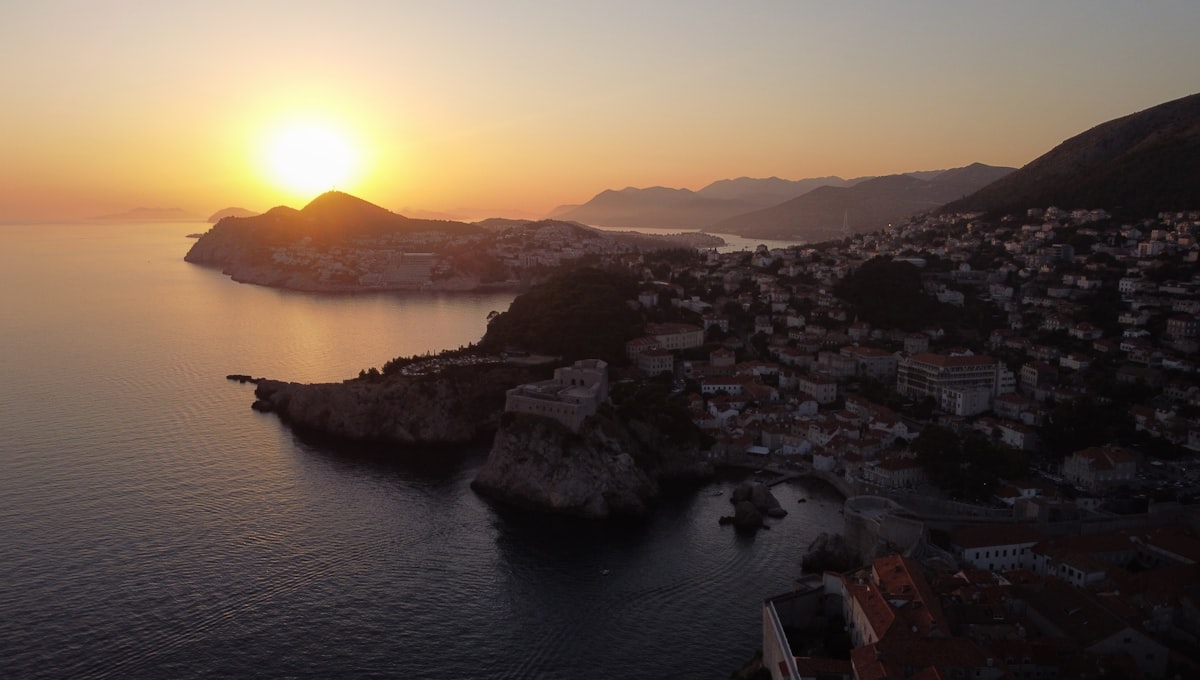
Croatia's Adriatic coastline is one of the most beautiful stretches of sea and shore in Europe. The old walled city of Dubrovnik, the islands of Hvar, Korcula, and Vis, the waterfalls at Plitvice Lakes, and the Venetian architecture of Split and Trogir collectively make it one of the most compelling destinations on the continent.
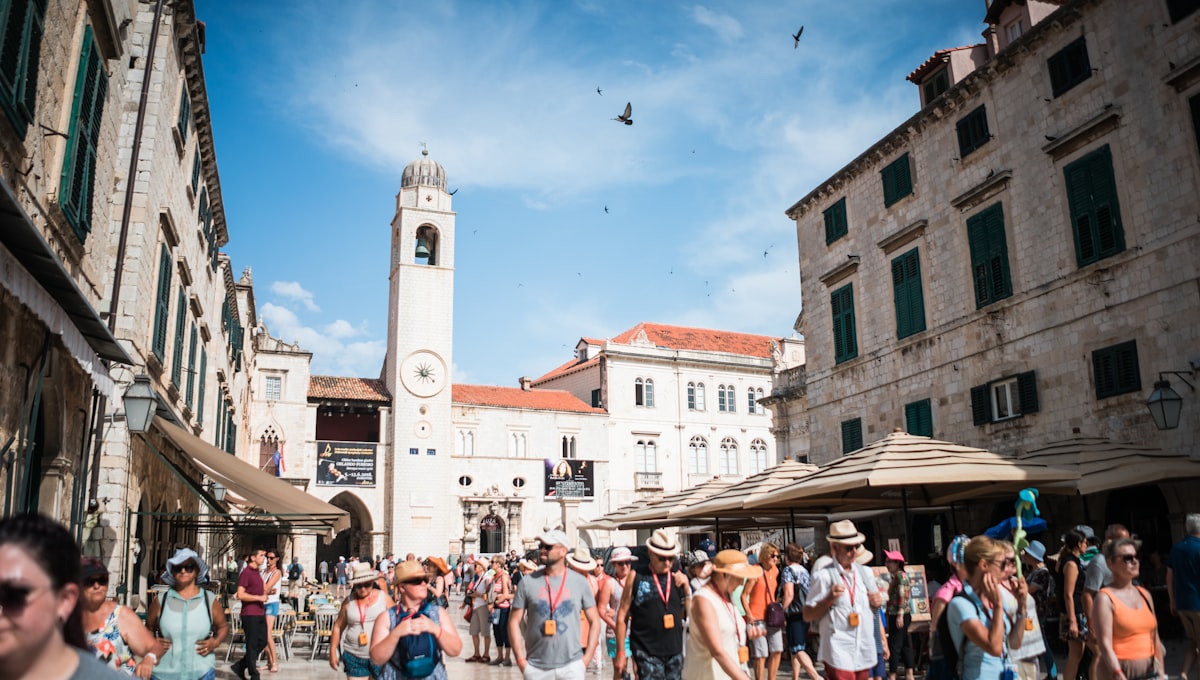
They also make it one of the most aggressively crowded in peak season. In July and August, Dubrovnik's Old Town can see 10,000 cruise-ship passengers disembarking in a single morning. Hotel prices in Hvar double or triple. The narrow lanes of the Diocletian's Palace complex in Split become effectively impassable at midday.
Getting the timing right is the single most important decision you will make when planning a Croatia trip. This guide gives you the full picture.
The High Season Problem (July–August)
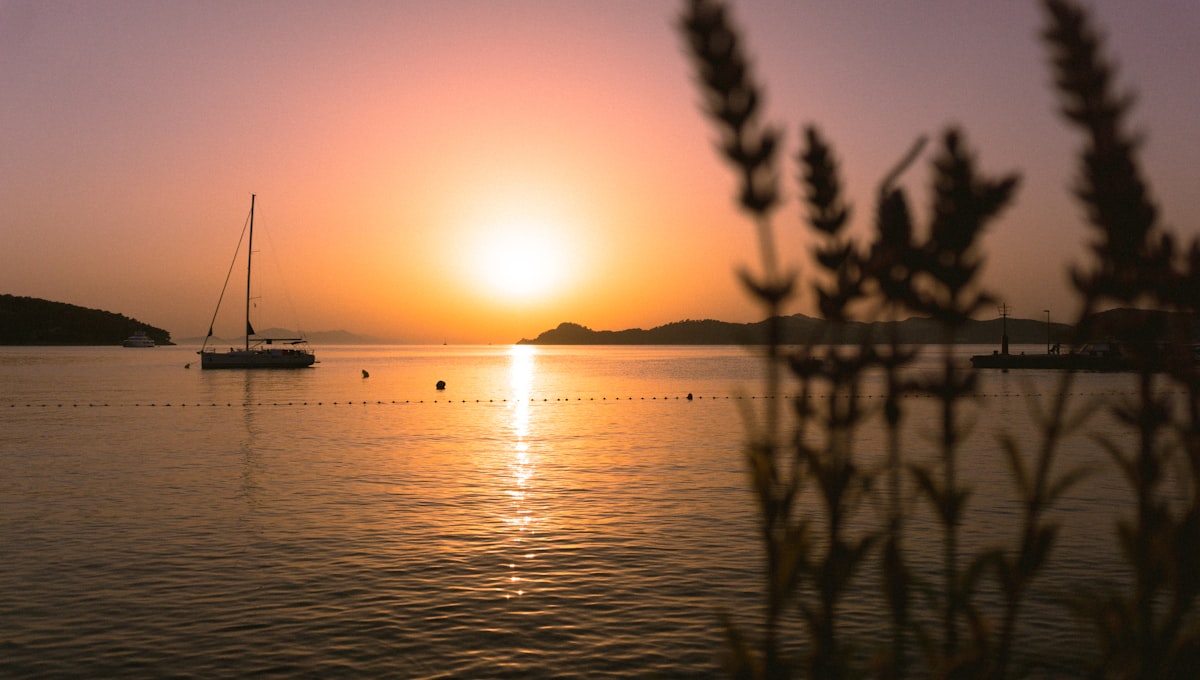
July and August are Croatia's peak months in terms of weather, visitors, and price. Sea temperatures reach 24–26°C, the Adriatic is flat and brilliant blue, and the days are long and reliably sunny. They are also the months when Croatia most strains under visitor pressure.
Dubrovnik introduced daily visitor caps to its Old Town in 2018, but enforcement has been inconsistent and the numbers remain extraordinary. Hotels in Hvar town charge €250–€400 per night in July for rooms that cost €120 in June. The ferry queues for popular islands can stretch for hours.
This is not to say July and August are bad — Croatia handles the crowds better than some destinations, the infrastructure has improved significantly, and the party atmosphere on islands like Hvar has its own appeal. But for most travellers, especially those who value space and affordability, peak season is the wrong choice.
The Best Window: May and June
May and early June represent Croatia at its best. Sea temperatures are 18–22°C — warm enough for swimming, especially by late May. Daytime air temperatures sit at a comfortable 22–26°C on the coast. The lavender fields on Hvar bloom in June and the colours across the island are extraordinary.
Most importantly, the crowds are a fraction of peak season. Dubrovnik Old Town is walkable in the morning. The island ferries run without queuing. Restaurant reservations are easy to secure. Hotel prices are 30–50% lower than August rates.
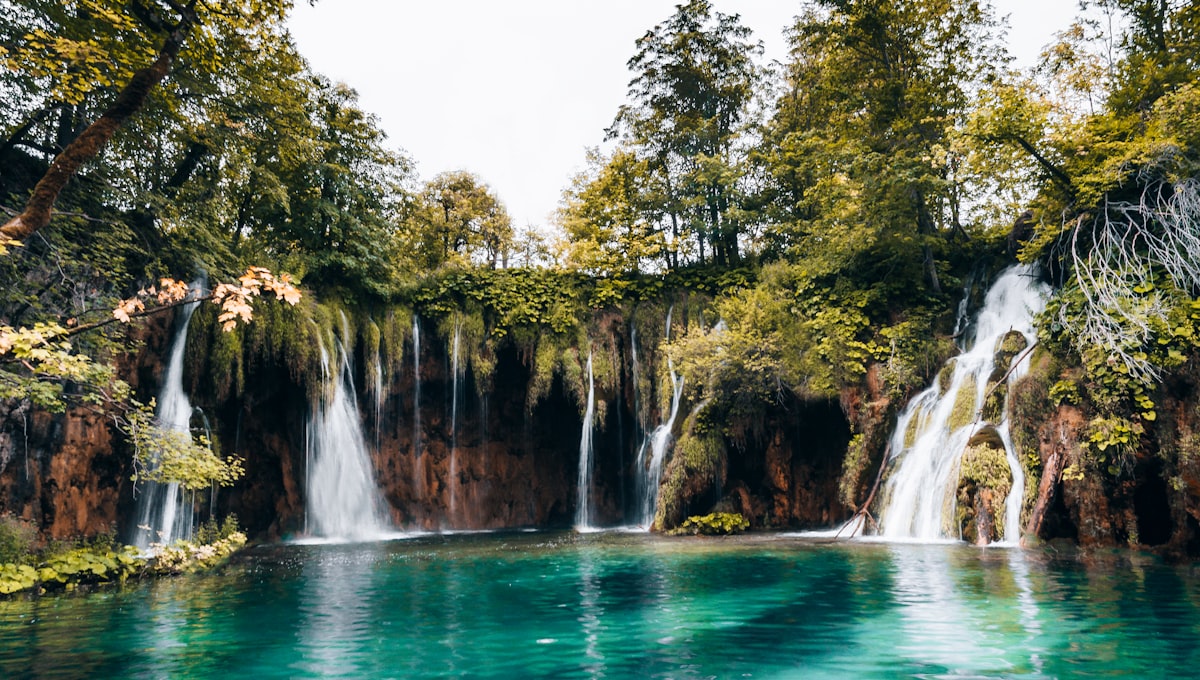
Plitvice Lakes National Park, which becomes genuinely unpleasant in high summer heat with its wooden boardwalk trails packed end-to-end, is spectacular in May when the waterfalls run high from spring snowmelt.
September and October
The post-summer shoulder is equally attractive. September retains most of August's warmth — sea temperatures only drop to around 22°C by late September — while the crowds thin dramatically after the school holidays end in early September.
October is cooler (sea around 18°C, air around 18–20°C on the coast) but still extremely pleasant for exploring the interior, the Istrian peninsula, and cities like Split and Zagreb. The wine harvest takes place across Dalmatia and Istria in September and October, and many local wineries offer tastings.
November through April is largely off-season on the coast. Dubrovnik and Split remain open and less crowded, but most island facilities shut down. Zagreb has a pleasant Advent market in December if you want a winter visit.
Island Guide by Season
Hvar is best in May–June and September. The summer nightlife (July–August) is well-marketed but the daytime experience suffers from overcrowding. Vis, less accessible and with no airport, naturally limits itself and feels more authentic in all seasons. Korcula is outstanding in September — the walls of the old town glow amber in the late afternoon light, and the island is quiet enough to be genuinely peaceful.
Mljet, largely covered by a national park, is particularly good in late May when the lakes inside the park are warm enough for swimming but the island has almost no one on it.
Getting There
Dubrovnik (DBV), Split (SPU), and Zadar (ZAD) are the main coastal airports. Ryanair (FR), easyJet (U2), British Airways (BA), Vueling (VY), and Wizz Air (W6) all operate seasonal services from UK and European cities from March or April through October. Year-round services exist but with reduced frequency.
Zagreb (ZAG) is Croatia's main year-round hub and is easier to reach in winter if you want an off-season city break.
For flights, comparing prices across markets makes a meaningful difference on Croatia routes. An easyJet London–Split fare checked through the UK market versus the same flight checked through the Croatian or Israeli market sometimes differs by 15–20%. Tools like RegionFare automate this comparison and surface the lowest available price without manual searching.
Where to Base Yourself
For a one-week trip covering coast and islands: fly into Split, spend two nights in the city centre (Diocletian's Palace district), take the ferry to Hvar for two nights, continue to Vis or Korcula for one night, and return to Split for a final night before flying home. This itinerary is highly manageable in June or September and leaves time to actually absorb each place.
For Dubrovnik: it makes more sense as a standalone destination or bookend to the coast. Flying into and out of DBV for 3–4 nights, using the old town as a base and taking day trips to the Elaphiti Islands, is an efficient structure. Combine with Montenegrin Bay of Kotor for a week-long circuit if the border crossing appeals.
Budget Planning
Croatia is mid-range in European terms. In May or September, a comfortable mid-range hotel in Split or Dubrovnik Old Town costs €120–€180 per night. Ferry tickets are inexpensive (Split–Hvar costs around €11 one-way on the standard car ferry). Restaurants in non-tourist areas run €15–€25 for a main course with wine. Local wine is excellent and cheap — a bottle of Plavac Mali or Posip from a Dalmatian winery costs €6–€12 in a restaurant.
High season adds roughly 40–60% to accommodation costs and 20% to restaurant prices in tourist-facing venues. The case for shoulder season travel is clear.