
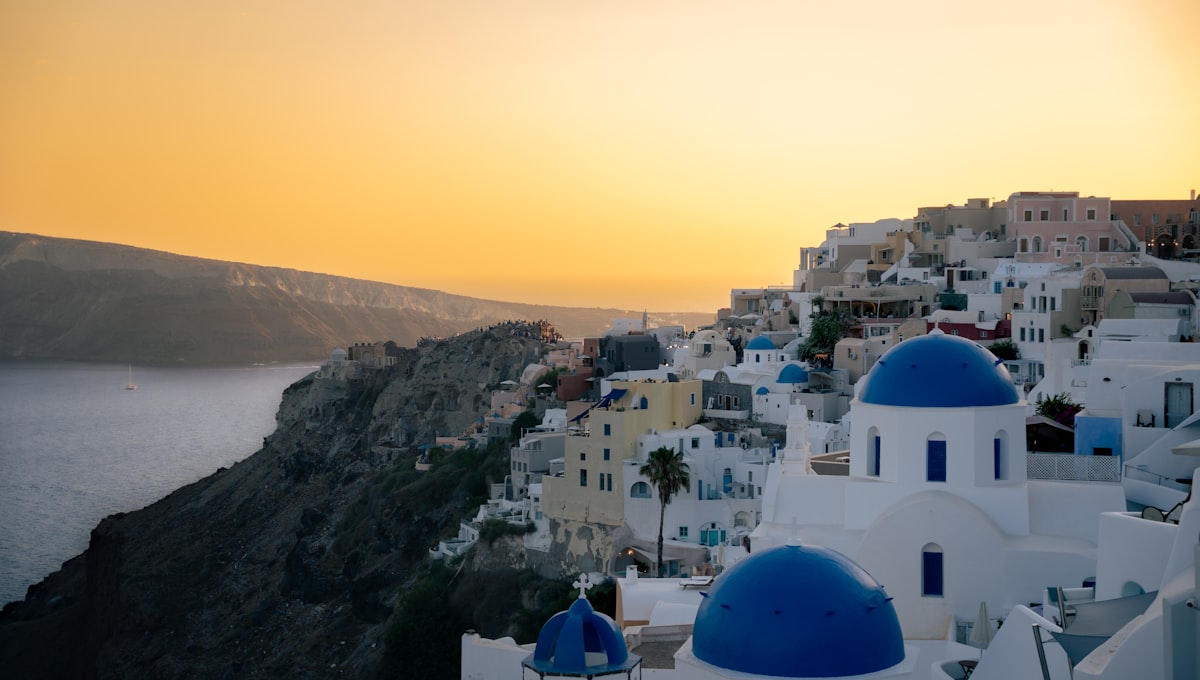
Best Time to Visit Greece: Islands, Mainland, and Shoulder Season Secrets
Invalid Date
Greece is one of the most visited countries in Europe, and the pattern of that tourism is extremely concentrated. July and August account for a disproportionate share of annual arrivals, pushing up hotel prices, crowding beaches, and making some island experiences genuinely unpleasant. What most visitors don't realise is that the shoulder seasons — late April through June and September through mid-October — offer substantially better conditions across almost every dimension: price, weather, and the ability to actually experience the place.
Understanding Greek Tourism Seasons
Greece's tourism seasons fall into roughly four categories. High season runs from the second week of July through August. This is when Santorini (JTR), Mykonos (JMK), and Rhodes (RHO) are operating at near-total capacity. Hotels at popular spots charge peak rates, the Acropolis sees queues of two hours or more, and ferry timetables are stretched to cope with demand.
Shoulder season spans May–June and September–October. Temperatures are still excellent for most purposes, ferry services run on close to their full schedule, and prices drop substantially. A hotel that costs €350 per night in Oia in August might be €140 in May or €120 in late October.
Low season covers November through March. Many island facilities — restaurants, boat tours, smaller hotels — close entirely during this period, particularly on the smaller Cyclades. Athens, Thessaloniki, and the mainland can be visited year-round, but island travel in deep winter requires planning and tolerance for limited services.
May and Early June: The Best Month for Most Visitors
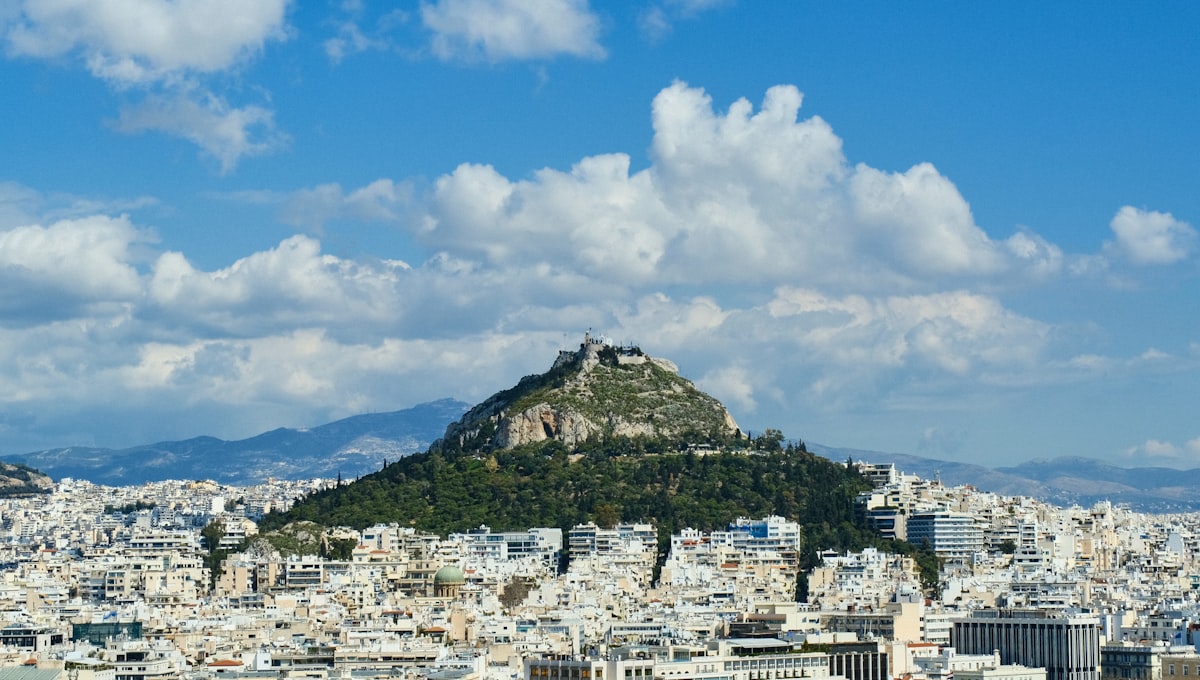
May is the month that frequent visitors to Greece often cite as their favourite. The wildflowers are still present in the mountains and on drier islands, sea temperatures have warmed enough for swimming (around 20–21°C in the Aegean), and tourism infrastructure is fully open but not yet overwhelmed. The Acropolis in Athens can be visited in the morning with manageable crowds. The Delphi archaeological site, set into the hillside of Mount Parnassus, is at its most atmospheric in the clear spring light.
For island-hopping, May gives you open tavernas, available ferry connections, and hotel prices that are often 40–50% below August levels. Crete (CHQ/HER) in May combines warm evenings with the ability to hike the Samaria Gorge without the summer heat making it dangerous.
Airfares to Athens (ATH) from the UK and US reflect this pattern. May and June fares are typically £80–£150 return from London on carriers like easyJet (U2), Ryanair (FR), or British Airways (BA). August fares on the same routes commonly run £200–£320.
September and October: The Secret Shoulder Season
If May is the best-kept secret for first-time visitors, September and October are the territory of repeat visitors who've learned from experience. The sea in September is the warmest it will be all year — Aegean waters hit 25–26°C in late August and retain warmth through September, making for the best swimming conditions of the entire year. Yet the summer crowds have departed and schools have returned, leaving a calmer, more local feel to even popular islands.
October extends the season well. Northern islands and higher-altitude mainland areas get cooler evenings, but the Dodecanese — Rhodes, Kos (KGS), Symi — remain warm. Crete is excellent in October: the crowds are minimal, temperatures hover around 24°C during the day, and the light has the low golden quality that characterises Mediterranean autumn.
Island Choices by Season
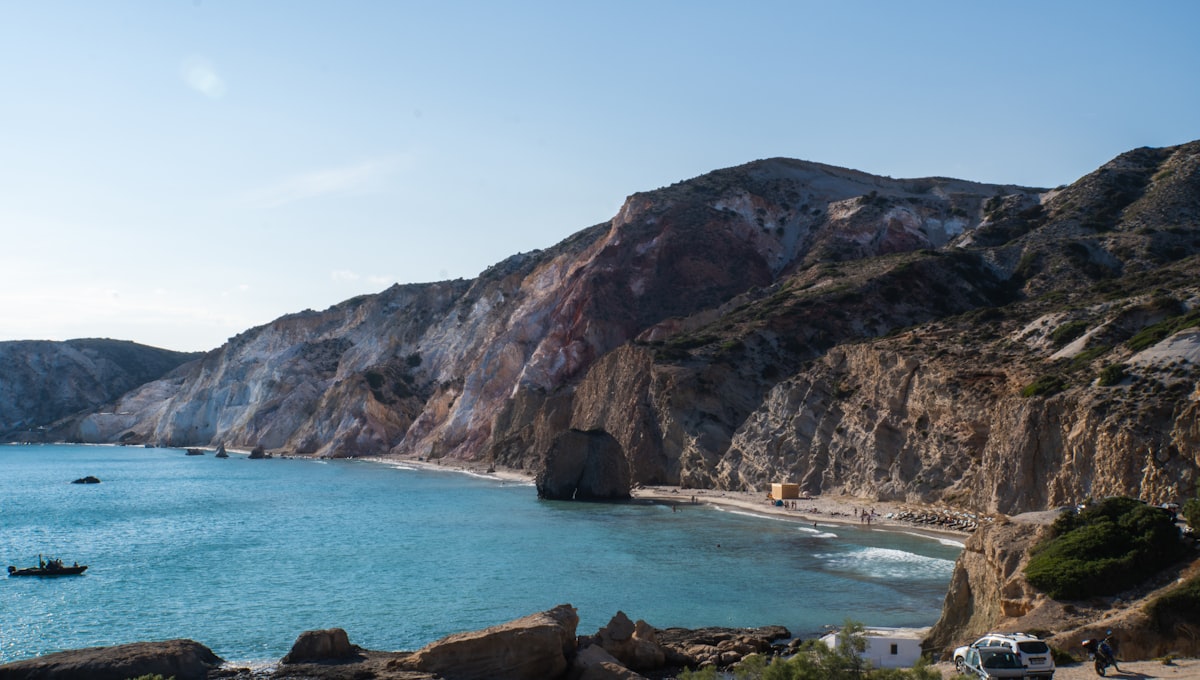
Different islands suit different seasons. Santorini and Mykonos are at their worst in August (genuinely overwhelming) and their most enjoyable in May or October. Corfu (CFU) and Kefalonia have greener, more lush landscapes in May before the summer dries them out. The Dodecanese — particularly Rhodes and Kos — have a longer season and good infrastructure that makes them viable from May through October.
The Mani peninsula in the southern Peloponnese is a mainland secret: stark, arid landscapes dotted with Byzantine tower houses, best visited in spring (March–May) when it has wildflowers and avoiding the heat that makes summer walking punishing. Nafplio, a short bus ride from Athens, is perhaps the most charming town in Greece and worth visiting any time outside of peak summer.
Athens Year-Round
Athens (ATH) stands apart from the seasonal pattern. The Acropolis and Acropolis Museum, the Agora, and the National Archaeological Museum can all be visited year-round. November through February brings cool temperatures (10–15°C during the day), very thin crowds, and hotel prices that drop dramatically. The Plaka neighbourhood below the Acropolis feels most authentic in winter when it functions as a residential area rather than a tourist zone.
For summer visitors determined to include Athens, arrive or depart from Piraeus by ferry to the islands rather than spending more than a day or two in the capital — August urban heat in Athens can reach 38–40°C, which makes extended sightseeing unpleasant.
Flight and Ferry Logistics
Athens (ATH) is the main international gateway, though Thessaloniki (SKG), Heraklion (HER), Rhodes (RHO), and Corfu (CFU) receive direct European flights during the summer and shoulder seasons. Flying directly to your island destination where possible saves a ferry connection and sometimes money.
Greek domestic flights on Aegean Airlines (A3) and Sky Express (GQ) connect Athens to most major islands year-round, though ferries remain the preferred option for island-hopping for their flexibility and ability to carry luggage without restrictions.

Comparing Prices Across Markets
It's worth noting that flights to Greece can vary in price depending on which booking market you use. Greek domestic carriers and international partners sometimes price differently on .gr, .de, .uk, and .us booking platforms. Aggregator tools that check multiple regional markets simultaneously — RegionFare is built for exactly this — can identify when the same Athens flight is cheaper booked through a different national version of the booking site.
For most visitors, the simplest advice is this: book Greece for May, early June, September, or October. You'll pay less, see more, and actually enjoy it. The difference between Greece in high season and Greece in shoulder season is not subtle — it can define whether the trip is the holiday of a lifetime or an expensive exercise in crowd management.