
Best Time to Visit Morocco: Heat, Crowds, and Cheap Flights
April 30, 2026
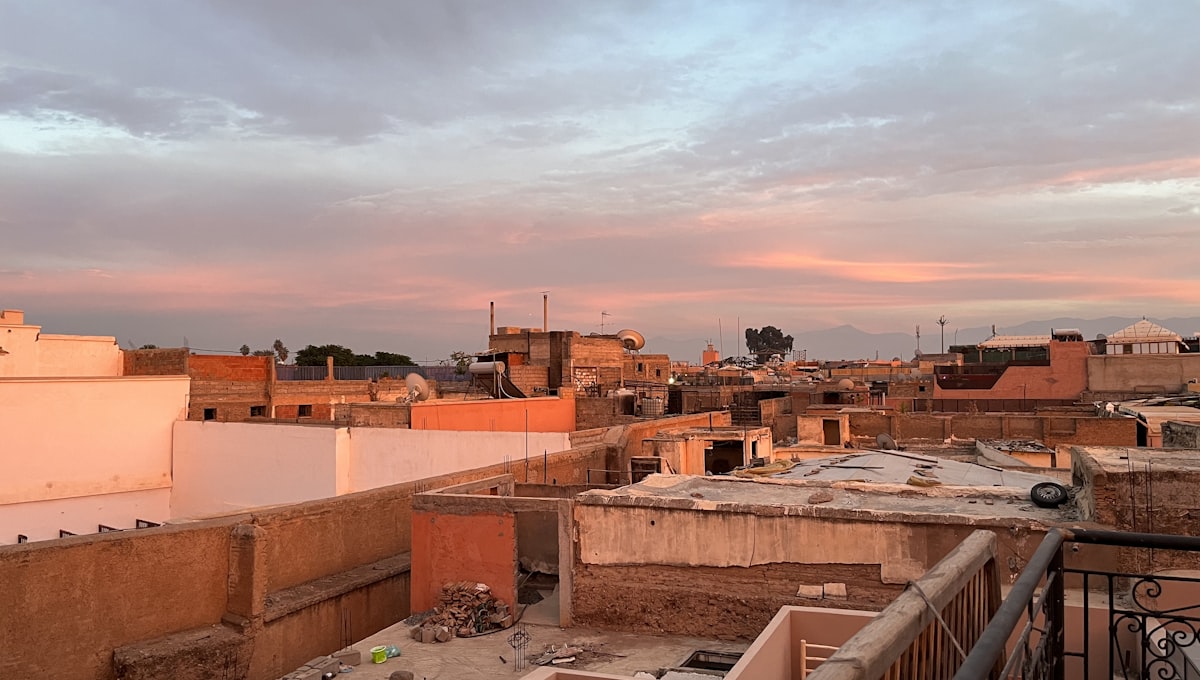
Morocco rewards timing more than almost any destination in the world. The same country that offers one of Europe's best-value city breaks in March becomes genuinely punishing in July, when the Sahara sends 45°C heat waves through Marrakech and the medina alleyways turn into ovens. The best months to visit Morocco are March through May and September through November — but within those windows, the differences between weeks and regions matter enormously.
Why the Shoulder Seasons Are the Sweet Spots
March to May is, for most travelers, the ideal time to visit Morocco. Daytime temperatures in Marrakech hover between 20–28°C, the almond and orange trees are in bloom, and the Saharan dunes near Merzouga are warm enough to be pleasant without being brutal. Tourist numbers haven't peaked yet — this is before the summer European school holiday rush — so the famous souks of Fez and Marrakech are busy but still navigable. Riads charge lower rates than they will in April, when the French Easter holiday sends Moroccan hotel prices sharply upward for about two weeks.
September and October mirror the spring logic. The worst heat has broken but the daylight is still long, the kasbahs along the Draa Valley glow in late-afternoon light, and flight prices drop noticeably from their August peak. October is arguably the single best month for outdoor activity: the Rif Mountains and the Atlas are accessible, the beaches of Essaouira and Agadir are still warm, and the annual Marrakech Film Festival in late November begins to pull cultural visitors ahead of the December peak.
Summer (June–August): The Truth About the Heat
High summer in Morocco is not a myth — it is a genuine physical challenge. Marrakech in July regularly hits 40–45°C. Fez, surrounded by hills with less Atlantic breeze, is often even hotter. If you're coming primarily for the imperial cities, summer is the worst possible timing: the medinas become exhausting by 10am, and the city loses much of its atmosphere to the midday shutdown.
The coast is a different story. Agadir and Taghazout on the Atlantic coast are kept reasonable by ocean breezes — 28–32°C in August, which is hot but manageable. Essaouira, one of Morocco's most atmospheric port towns, is actually cooler than inland cities in summer thanks to its position on the Atlantic: locals call it "the windy city of Africa," and that wind is a genuine asset in July and August. If a summer trip is your only option, plan it around the coast rather than the interior.
The Sahara: Getting the Timing Right for Merzouga
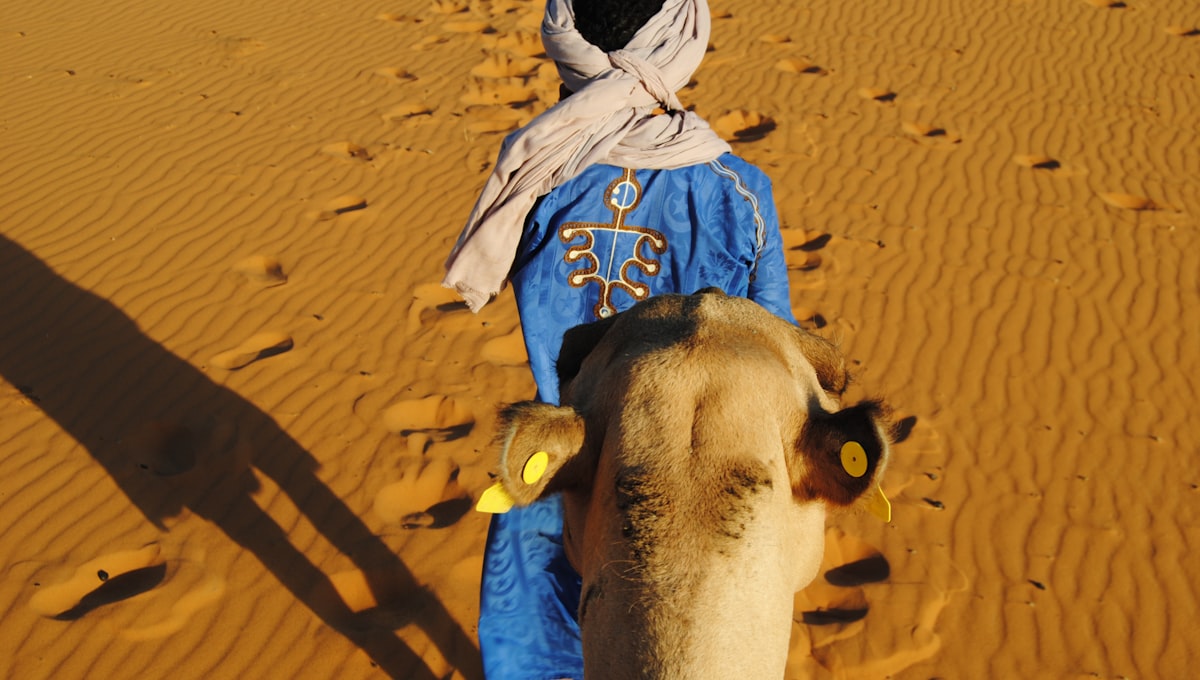
Erg Chebbi, the sea of orange dunes near Merzouga, is the postcard image of Morocco — and timing your visit correctly makes an enormous difference to the experience. October through April is the Sahara sweet spot. Nights in October are cool enough to be magical rather than just cold, and the dune colors at sunrise and sunset are at their most intense. Camel treks are comfortable; sleeping in a desert camp under genuinely dark skies is one of the great travel experiences available at this price point.
Summer in the Sahara is genuinely dangerous. Ground temperatures around the dunes can exceed 70°C in July and August. Most reputable tour operators reduce or suspend desert camp programs, and the experience of watching a Saharan sunrise is significantly diminished when the air temperature is already 38°C before 7am. If you're coming to Morocco specifically for the Sahara, shoot for October, November, March, or April.
Marrakech vs Coastal vs Mountain: Regional Differences
Morocco is not climatically uniform. Marrakech, in the pre-Saharan plain, is the hottest major city and has the most extreme summers. Fez is slightly cooler in winter but nearly as hot in summer. Casablanca and Rabat on the Atlantic coast are mild year-round — 18–25°C in summer, rarely dropping below 8°C in winter. These coastal cities work as bases almost any time of year.
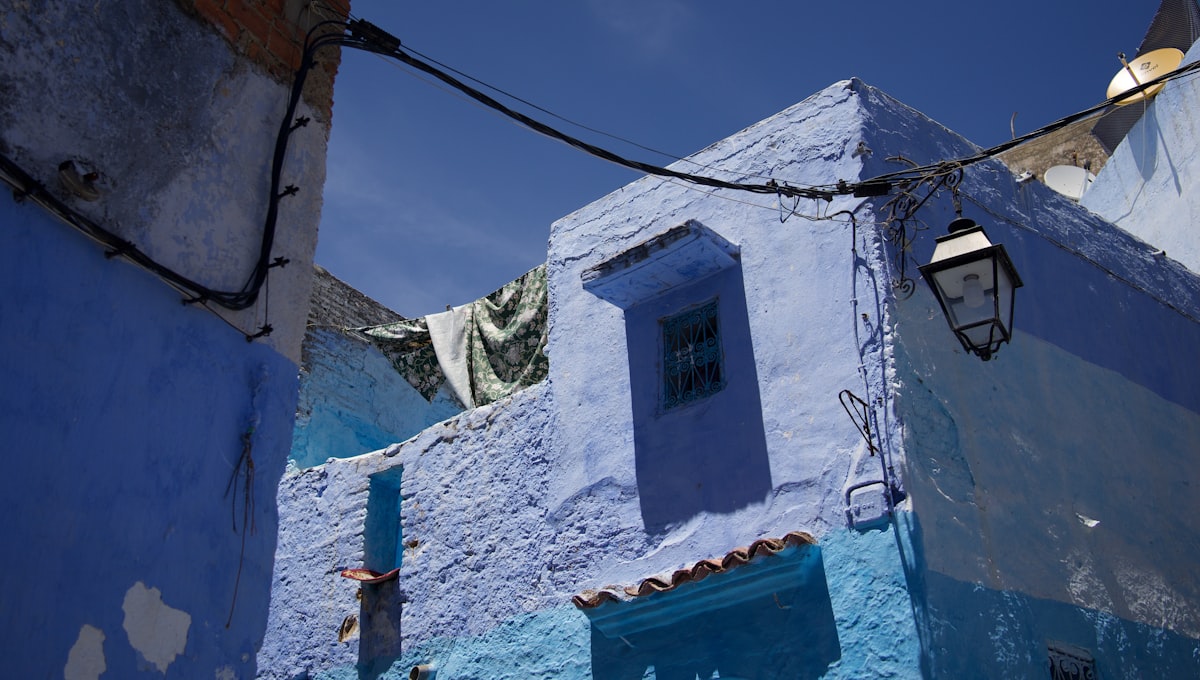
The Atlas Mountains are a completely different climate zone. The ski resort of Oukaimeden, above Marrakech, gets real snow from December through March and is visited by Moroccan families on winter weekends. The mountains around Toubkal (North Africa's highest peak at 4,167m) are hikeable from April through October, with the summer months actually appropriate for altitude trekking in a way they're not for the lowland medinas. Chefchaouen, the blue city in the Rif Mountains, sits at 600m elevation and is pleasant in summer — one of the few places in Morocco where June genuinely works.
Cheapest Flight Windows from Europe and North America
Flights to Morocco from Europe are cheap and frequent. London, Paris, Madrid, Barcelona, Amsterdam, and Frankfurt all have multiple direct services to Marrakech (RAK), Casablanca (CMN), and Agadir (AGA). The cheapest windows from Europe align with the Moroccan shoulder seasons in a useful way: September and early October, after the summer peak has faded, offer the most competitive prices. Mid-January through early March is the cheapest period of the year — Morocco doesn't see the cold northern European winter, and flights thin out accordingly.
From London, expect direct fares of £80–160 return in autumn shoulder season on easyJet (EZY) or Ryanair (RYR) to Marrakech. Peak summer (July–August) pushes those fares to £180–300. From Paris on Air Arabia Maroc or Transavia, the shoulder season window delivers comparable pricing.
From North America, the most common routing is through Casablanca hub on Royal Air Maroc (RAM), or through European hubs with a connecting carrier. New York (JFK) to Marrakech via Casablanca on RAM runs $650–900 return in shoulder season; summer adds $150–250. RAM is notable because its pricing varies significantly across regional booking markets. The same Casablanca–Marrakech connection sold through a North African or Middle Eastern regional version of booking platforms can come in noticeably cheaper than booking through a North American or UK site. Tools like RegionFare, which scan across 97 regional markets, are particularly useful for RAM routes where the domestic Moroccan or Gulf market pricing often diverges from Western versions.
Ramadan: What Travelers Should Know
Ramadan falls on a different part of the calendar each year (shifting approximately 11 days earlier annually). During Ramadan, most restaurants are closed until sunset, alcohol is unavailable or discreetly served in tourist hotels only, and the pace of the medinas changes markedly. This is not a reason to avoid Morocco — iftar, the evening meal breaking the fast, turns cities like Fez into extraordinary community celebrations — but it is a reason to plan your days differently.
If your trip overlaps with Ramadan, adjust your schedule toward evening activity and pre-dawn breakfasts. The market atmosphere after iftar, with families out and the souks lit up, is something most tourists never see. Mid-day sightseeing in the medinas can be quieter and more manageable than at any other time of year.
Winter (December–February): Underrated for Cities
The Moroccan winter is mild by Northern European standards and almost entirely overlooked by travelers. Marrakech in January averages 18–20°C during the day and 5–8°C at night. The medinas are calm — the lowest tourist density of any time of year — and the lack of summer heat makes walking through the narrow souks genuinely enjoyable rather than endurance-based. Hotels drop their prices significantly in January and February outside of the Christmas/New Year peak. A mid-range riad that charges €120 per night in October can dip to €65 in late January.
Fez in winter is particularly rewarding. The Fez el-Bali medina, one of the largest car-free urban areas in the world and a UNESCO World Heritage Site since 1981, is an entirely different experience in January than in August. The tanneries, the ancient madrasas, the covered markets selling saffron and argan oil — all of it is navigable at a human pace when the temperature is cool and the crowds are thin. The Medersa Bou Inania, a 14th-century theological college with one of the finest examples of Moroccan mosaic tilework and carved cedar anywhere, deserves at least an hour. Fez is often overlooked in favor of Marrakech's more polished tourist infrastructure, but it rewards the visit more deeply.
The Atlas Mountains in winter offer skiing at Oukaimeden (1 hour from Marrakech, equipment rental available on-site) — not world-class slopes, but a genuinely unusual add-on to a Moroccan city break. Snow falls reliably December through February and occasionally into March.
What to Avoid: High-Season Traps
The weeks around Easter (French and Spanish markets flood Morocco for 2 weeks), late July through August (unbearable heat in the interior), and the week between Christmas and New Year (highest prices of the year for flights and accommodation) are the three windows to plan around if budget or comfort are priorities. If you must visit during these windows, stick to the coast — Essaouira, Agadir, Asilah — where the Atlantic sea breeze makes the heat manageable and the accommodation pricing spike is less extreme than in Marrakech.
Practical Takeaway
For first-time visitors to Morocco, the single best month is October. The heat is gone, the Sahara is comfortable, the Atlas Mountains are accessible, the crowds are below summer peak, and flight prices from Europe are favorable. If you're flexible by a few weeks, early November adds the Marrakech Film Festival and edges even further from the tourist high. For budget-focused travelers, January and February offer the lowest prices all around — flights, riads, and tour costs drop significantly — with the trade-off of cool nights in the Sahara and limited beach use on the coast. Book flights and riads 6–10 weeks out in shoulder season, and use a regional comparison tool like RegionFare to check whether the same flight looks different through a Moroccan or Gulf market before committing to a Western-market booking price.