
Cheapest Flights to Seoul: Seasonal Patterns and Regional Booking Tricks
May 13, 2026
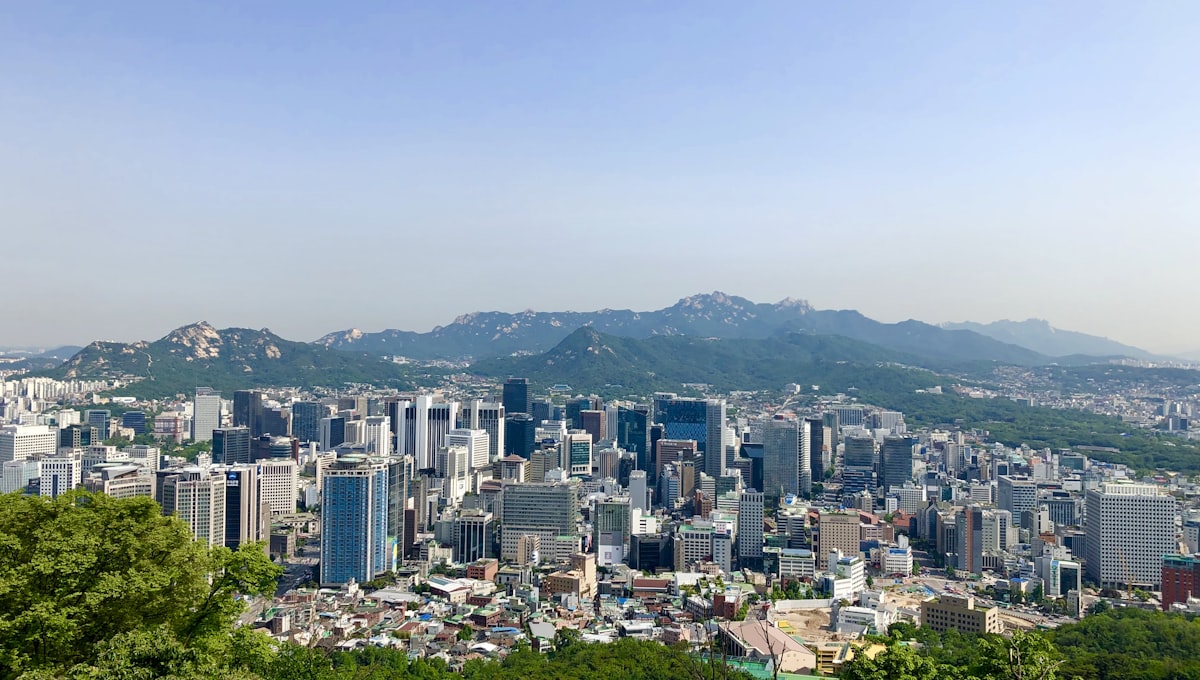
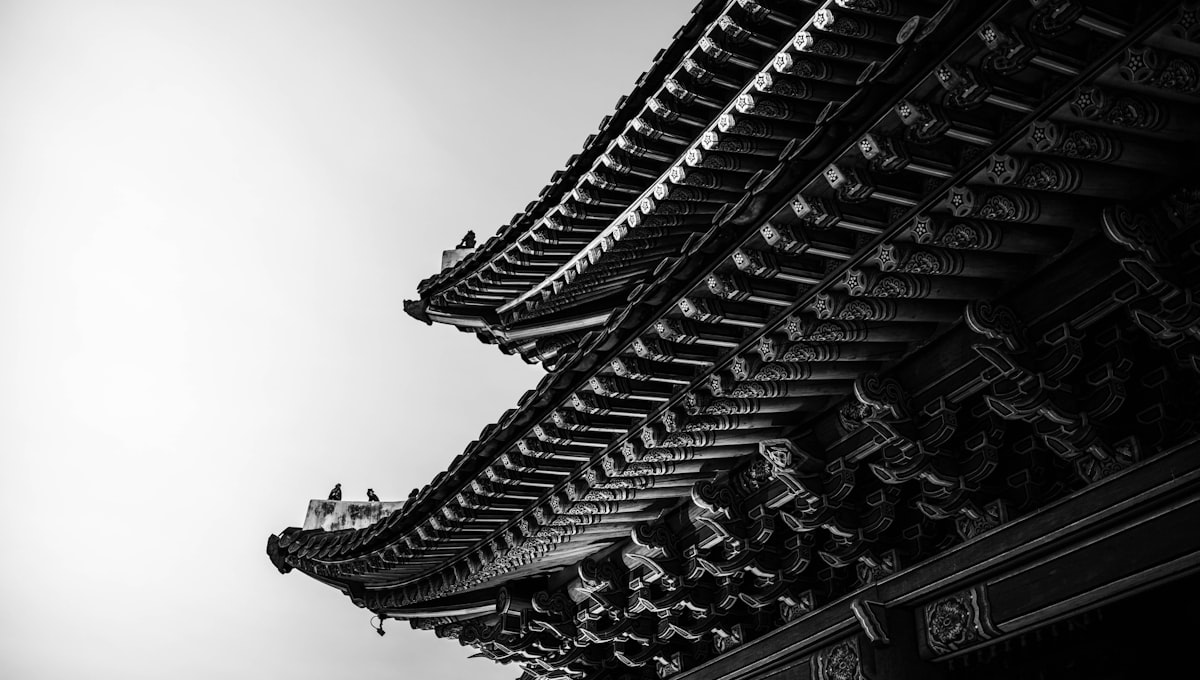
Seoul has emerged as one of Asia's most compelling travel destinations. Incheon International Airport (ICN) is consistently rated among the world's best, the city's food scene is extraordinary, the Han River waterfront has been transformed, and the contrast between the ancient palaces of Joseon-era Seoul and the gleaming glass towers of Gangnam makes for a genuinely distinctive urban experience.
It is also a destination where getting the timing and booking strategy right can make a £300–£400 difference on your return fare from Europe. This guide covers everything you need to find the cheapest flights to Seoul, from seasonal patterns to the cross-market pricing strategies that most travellers overlook.
When to Fly: Seasonal Overview
Seoul has four distinct seasons, and each affects flight prices differently.
Spring (March–May) is arguably the finest time to visit. Cherry blossom season peaks in late March and early April, and the crowds at Gyeongbokgung Palace and Namsan Park are colourful rather than overwhelming. Flight prices are moderate — typically £550–£750 return from London in economy on Korean Air (KE) or Asiana (OZ). Book 10–12 weeks in advance for this window.
Summer (June–August) brings a monsoon season (Jangma) in late June through July, followed by hot, humid August. Prices spike for August because it overlaps with Korean holiday periods and European summer travel. Budget £700–£950 return. The shoulder of June — before the monsoon intensifies — offers decent weather and lower fares.
Autumn (September–November) competes with spring as the peak visitor season. October sees the most vivid autumn foliage across the Bukhansan mountain trails and Namsangol Hanok Village. Flight prices in October return to the £600–£800 range but sell out faster than spring equivalents. Book 12–14 weeks ahead.
Winter (December–February) is cold (regularly sub-zero in January) but dry and clear. December sees a price spike around Christmas and Korean New Year; January and February are the cheapest months of the year for Seoul flights. Fares from London can drop below £480 return. The ski resorts at Vivaldi Park and High1 are within 2–3 hours of Seoul if cold weather has appeal.

Best Airlines for Seoul
Korean Air (KE) and Asiana Airlines (OZ) operate direct London Heathrow–Incheon services. Both carriers offer a high-quality onboard product and highly regarded service standards. KE's economy class consistently receives strong reviews for seat pitch and catering relative to European carriers.
British Airways (BA) codeshares on KE-operated flights from Heathrow, which allows Avios collection but often at a higher price point.
One-stop alternatives worth comparing: Finnair (AY) via Helsinki offers competitive fares and a shorter northern route (approximately 10 hours versus the 11h30 nonstop). Cathay Pacific (CX) via Hong Kong, Emirates (EK) via Dubai, and Lufthansa (LH) via Frankfurt all offer solid connection options with competitive pricing on certain dates.
From North America, Korean Air and Asiana operate nonstop services from Los Angeles (LAX), New York (JFK), and Chicago (ORD). Air Canada (AC) connects via Vancouver. Delta (DL) flies nonstop from Atlanta (ATL).
How Booking Market Affects Seoul Fares
This is where the data gets interesting. Long-haul Asian routes show some of the largest cross-market price variations of any destination category.
A London–Seoul return in late October, searched on the same day through different booking markets, regularly shows a 20–30% price spread. The UK and US markets frequently show the highest prices. South Korean, Japanese, Israeli, and German markets often show materially lower prices for the same flights — sometimes £200–£300 lower for identical seats on KE or OZ operated services.
The reason is that Korean carriers actively manage revenue across their global sales network. UK and US points-of-sale generate premium leisure demand and are priced accordingly. Markets with more price-sensitive or domestically competitive travel demand — Japan, Israel, certain European markets — may be priced lower to drive volume.
RegionFare runs these cross-market checks automatically and surfaces the cheapest available price across all markets in a single search. For Seoul in particular, the saving from checking multiple markets rather than simply booking through a UK platform is consistently among the highest of any long-haul destination.
Booking Lead Time
For London–Seoul, the optimal booking window is 8–14 weeks in advance for most travel dates. The exception is peak periods (spring cherry blossom season, October foliage, Christmas): book 14–18 weeks ahead. Last-minute fares to Seoul rarely offer value — the route has high seat fill rates year-round and airlines rarely need to discount at short notice.
Price alerts are particularly useful on this route. Setting a Fare alert for your dates and then not checking prices obsessively for a fortnight often results in a notification when the price dips — which happens more predictably on Korean Air and Asiana than on many carriers because of their structured fare filing systems.
Airport: Incheon vs. Gimpo
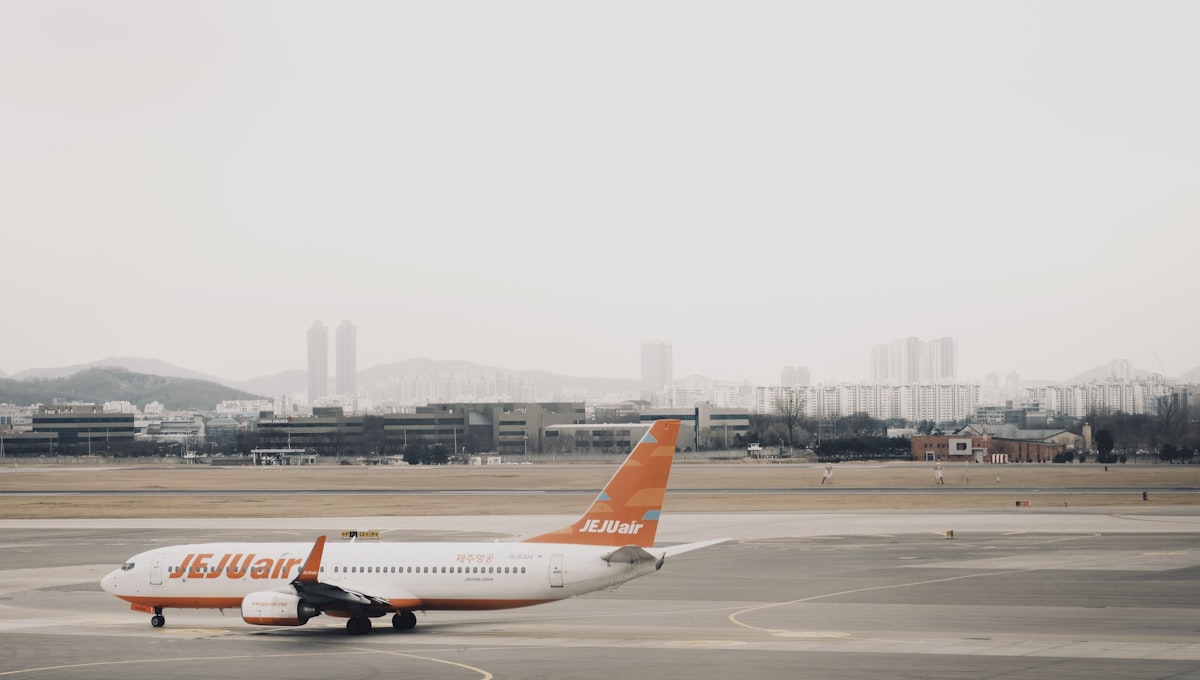
All international long-haul flights use Incheon (ICN), located 50 km west of Seoul. The airport express (AREX) runs directly to Seoul Station in 43 minutes for KRW 9,500 (around £5.50). It is one of the most efficient airport rail connections in Asia.
Gimpo Airport (GMP) handles domestic South Korean routes and some short-haul regional flights (Tokyo Haneda, Beijing, Shanghai, Hong Kong). If you're continuing to Busan, Jeju, or another Korean city, Gimpo is the relevant hub.
What to Know About Korean Entry
Most Western passports receive 90 days visa-free entry to South Korea under the K-ETA electronic travel authorisation system. K-ETA applications take 24–72 hours to process and cost KRW 10,000 (approximately £5.50). Apply at least 72 hours before departure. Note that K-ETA was temporarily suspended and then reinstated — confirm current requirements before your trip.
Planning Around Korean Holidays
Seollal (Lunar New Year) and Chuseok (mid-autumn harvest festival) are the two major Korean holidays when domestic travel is intense and Seoul itself partially empties as residents visit family. These dates vary by year but typically fall in late January/early February (Seollal) and late September or October (Chuseok). Visiting during Chuseok means some attractions operate reduced hours, but the city's atmosphere during this traditional holiday period has its own appeal.
Avoid flying out of Incheon during the peak departure windows of these holidays — the airport is extraordinarily busy and check-in times extend significantly.