

The Cheapest Way to Fly to Australia from Europe and the US
Invalid Date
Australia sits at one of the farthest points on the globe from both Europe and the United States. For travellers from London, Paris, or New York, that distance translates into long haul flights that regularly top £900 or $1,200 return. But "expensive by default" doesn't mean "impossible to get cheap." With the right strategy, you can fly return to Sydney or Melbourne for under £650 from the UK or under $900 from the US East Coast. This guide explains exactly how.
Why Australia Flights Are Priced the Way They Are
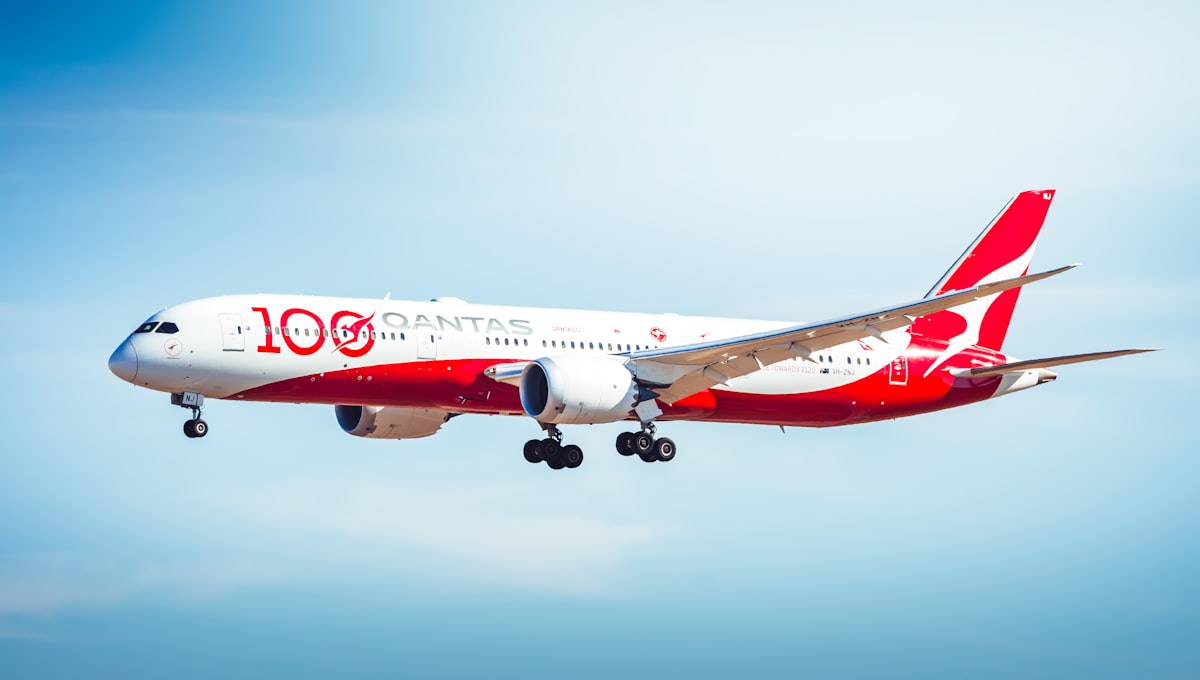
Australia has limited direct route competition. From the UK, the main carriers on the Heathrow–Sydney corridor are Qantas (QF), Singapore Airlines (SQ), and Cathay Pacific (CX). A handful of Middle Eastern carriers — Emirates (EK), Etihad (EY), and Qatar Airways (QR) — also compete aggressively because their hub models suit ultra-long-haul travel. The more carriers competing on a route, the lower the floor tends to be.
From the US, options broaden. Los Angeles (LAX) is the natural gateway to Sydney (SYD) and Melbourne (MEL), served by Qantas, United (UA), American (AA), Air New Zealand (NZ), and Fiji Airways (FJ). New York (JFK) travellers typically connect through LAX, Dallas (DFW), or a Gulf hub.
The Stopover Route Strategy
The cheapest Australia fares almost never involve direct flights. Instead, they route through one of four hub clusters:
1. Gulf hubs — Dubai (DXB), Abu Dhabi (AUH), Doha (DOH). Emirates, Etihad, and Qatar all price aggressively to fill their wide-body fleets. London to Sydney via Dubai on EK frequently dips below £750 in off-peak windows.
2. Southeast Asian hubs — Singapore (SIN), Kuala Lumpur (KUL), Bangkok (BKK). Singapore Airlines via SIN and Malaysia Airlines (MH) via KUL both offer competitive pricing. The SQ business-class redemption is famously good, but for economy, SQ often sits slightly above MH.
3. East Asian hubs — Hong Kong (HKG), Tokyo (NRT/HND), Seoul (ICN). Cathay Pacific via HKG regularly runs flash sales on the London–Sydney route. If you're flexible on layover length, a 6–8 hour Hong Kong stopover can be a bonus rather than a cost.
4. Transpacific from the US West Coast — LAX is the departure point for the most competitive US–Australia fares. American low-cost competition on domestic US routes means you can often position cheaply from the East Coast before crossing the Pacific.
When to Book for the Lowest Fares
Australia's travel seasons are the inverse of Europe's. Northern hemisphere winter (November–February) is Australia's summer and peak tourist season, which pushes prices up. The cheapest windows are:
- March to May — Australian autumn. Northern hemisphere spring break travel pushes some prices up in late March but April and May are generally quiet. - September to October — Australian winter into spring. This is the sweet spot for budget travellers. Demand is relatively low, and airlines discount heavily. - Mid-January to early February — After Christmas demand collapses and before Easter approaches. A narrow but real window for deals.
For booking lead time, Australia's long-haul nature means the optimal booking window is longer than for short-haul: 3–5 months ahead typically yields the best fares. Last-minute deals exist but are rare because load factors on these routes are generally high.

The Market Pricing Effect
Here is where things get interesting. Airlines price the same itinerary differently depending on the market where you buy the ticket. A London–Sydney flight searched on Skyscanner UK might show a different price than the same flight searched on Skyscanner Australia or via a German booking site. Currency conversion explains part of the difference, but not all of it — regional yield management plays a role too.
Tools like RegionFare are built specifically for this. By simultaneously checking what the same itinerary costs across dozens of national markets, you can identify whether the AUD-priced version of a fare undercuts the GBP version by enough to justify booking internationally. On long-haul routes like these, the savings can reach £80–£120 per person.
Positioning Flights and Hidden City Ticketing
If you're based outside of London but want to use Heathrow as your Australia gateway, positioning flights matter. Flying to LHR from Edinburgh, Manchester, or Amsterdam on a budget carrier adds cost but can unlock connections that are unavailable from your home airport. Compare the total door-to-door cost carefully.
Hidden city ticketing — buying a ticket to a farther destination where your preferred stop is a layover — is controversial and against most airlines' terms of service. It's also logistically fragile: you can't check bags, and airlines can reprice tickets if the practice is flagged. It's mentioned here only because it's widely discussed, not because it's recommended.
Practical Route Recommendations
For UK travellers, the best consistent value tends to come from Qatar Airways via Doha or Malaysia Airlines via Kuala Lumpur. Both carriers frequently run sales to Sydney and Melbourne in the £650–£750 range for economy returns. Qantas' own fares are rarely the cheapest but the airline's reputation for long-haul comfort and reliability means the premium is sometimes worth it.
For US East Coast travellers, the most cost-effective path is usually to position to LAX and then fly Qantas or United's direct services to Sydney. LAX–SYD with QF or UA can run $700–$850 return in the shoulder season. Adding a domestic segment from JFK or Boston typically adds $100–$150 but opens access to far better Australia fares than originating from the East Coast directly.

Final Checklist Before You Book
Before hitting confirm on an Australia fare, run through these points. First, check baggage allowances — long-haul economy usually includes a checked bag but low-cost affiliates on positioning legs may not. Second, verify visa requirements; the Australian ETA is straightforward for most Western passport holders but costs around AUD 20 and must be obtained before travel. Third, consider travel insurance early — Australia's medical costs without coverage are high, and trip cancellation protection matters on a trip this expensive.
The cheapest Australia flights are out there. They require flexibility on dates, willingness to take indirect routes, and a bit of research into where fares are priced most competitively. Do that work, and Sydney or Melbourne becomes genuinely affordable.