Istanbul on a Budget: Where Locals Eat, Shop, and Stay
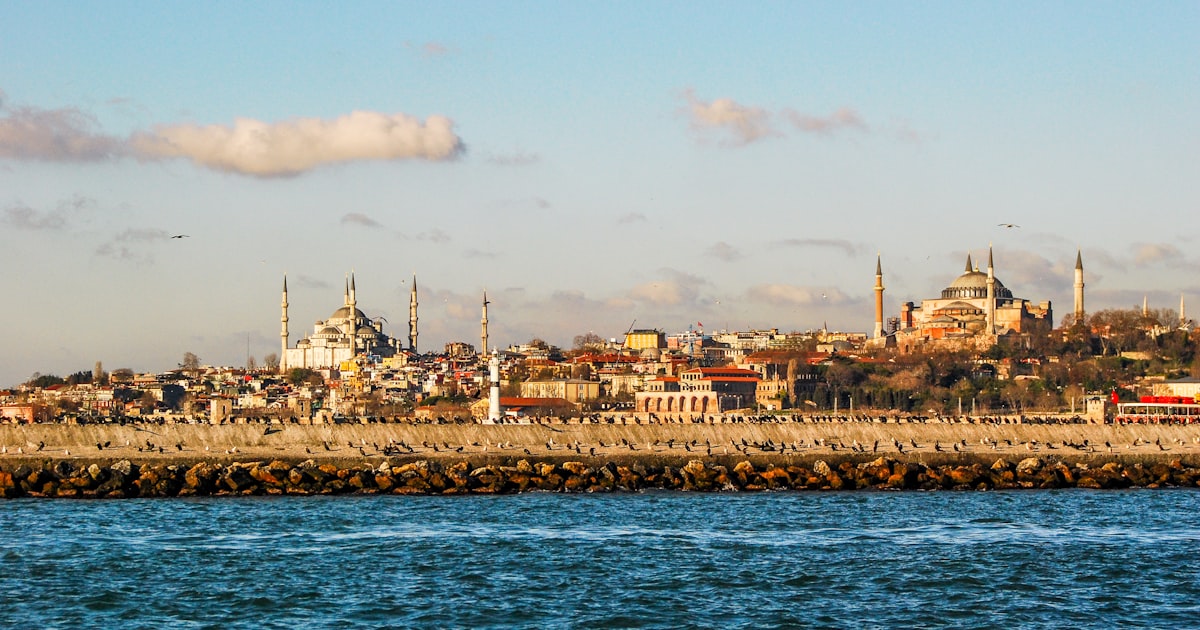
Istanbul is one of the most visited cities in the world, and the tourist industry knows it. The moment you step out of the airport, there are forces conspiring to separate you from your money — overpriced taxis, menus without prices, carpet shops with friendly strangers who just happen to speak your language. But underneath all of that, Istanbul is an extraordinarily affordable city if you know where to look. Locals eat well for $5, sleep for $20, and commute across a continent for the price of a coin. This guide shows you how to do the same.
Where Locals Actually Eat
The best food in Istanbul is sold out of tiny counters, street carts, and family-run lokanta spots that don't have TripAdvisor pages. Your first lesson: if the menu has photos and is printed in four languages, you're already paying a 50% tourist surcharge.
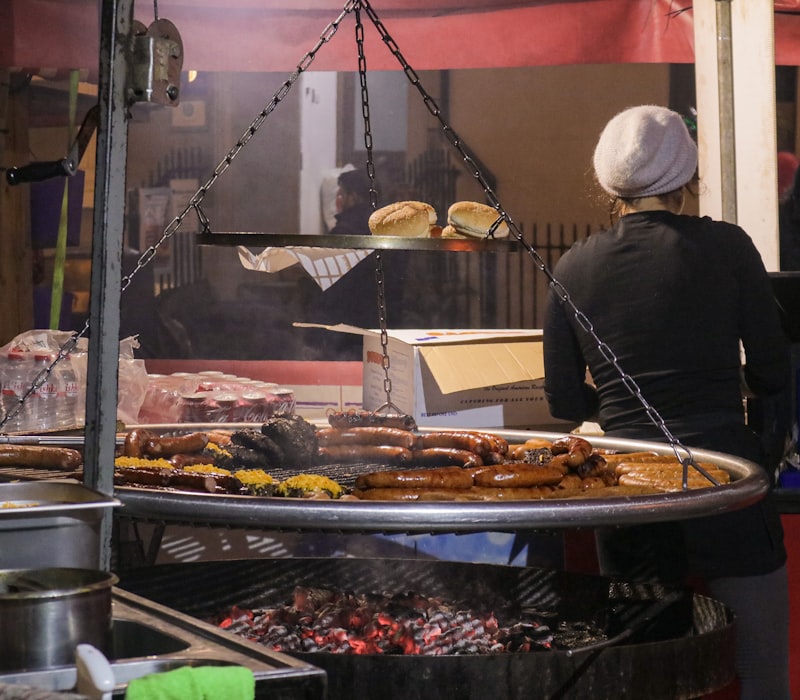
Start your mornings with a simit — the sesame-crusted ring bread that vendors hawk from red carts on every major street corner. It costs about 10-15 lira (under $0.50) and keeps you full for hours. Pair it with a glass of çay (tea) from a tea house and you've had an authentic Istanbul breakfast for pocket change.
For lunch, seek out pide and lahmacun. Pide is the Turkish flatbread topped with cheese, minced meat, or egg — baked in a wood-fired oven and served piping hot. A full pide runs 80-150 lira ($3-5). Lahmacun is thinner, crispier, topped with spiced minced lamb, and eaten rolled around fresh parsley and a squeeze of lemon. You'll find it for 25-40 lira at local spots in Fatih or Kadıköy.
One meal you absolutely cannot skip: balık ekmek at Eminönü. These grilled fish sandwiches are made on rocking boats moored right at the Galata Bridge — whole mackerel grilled to order, stuffed into crusty bread with onions and salad. It's around 100 lira ($3-4) and one of the great street food experiences anywhere in the world. Get there slightly before the lunch rush.
For a sit-down budget meal, look for a lokanta — a steam-tray cafeteria where you point at dishes behind glass: lentil soup, stuffed peppers, lamb stew, bulgur pilaf. A full plate with soup runs $3-6. These are neighborhood institutions, usually full of locals at 12:30pm and nearly empty (or closed) by 2pm.
End with börek (flaky pastry stuffed with cheese or spinach from a büfe) or künefe if you find it fresh — shredded wheat pastry soaked in syrup with melted cheese, best in Fatih's Syrian sweet shops. Dessert for $2.
Realistic food budget: $10-15/day eating like a local. $20-25/day if you're mixing in sit-down meals.
Affordable Neighborhoods to Stay
Where you sleep determines how much you spend on food, transport, and whether you get ripped off on anything. Avoid booking hotels right in the Sultanahmet tourist core unless you specifically want the Blue Mosque as your window view — you're paying a 2x premium for it.
Kadıköy (Asian side) is the best-value base in the city. It's a real neighborhood — fishmongers, produce markets, independent coffee shops, a thriving bar scene on Moda Caddesi, and zero tour groups. Hostels run $15-25/night, guesthouses and small hotels $35-60. The ferry to the European side takes 25 minutes and costs 15 lira. Many budget travelers find they prefer this side once they've visited.
Beyoğlu and Cihangir (European side, north of the Golden Horn) are hip, slightly bohemian neighborhoods built on steep hills. This is where younger Istanbullus live, work in galleries, and drink wine in tiny rooftop bars. Prices are moderate — guesthouses $35-60, boutique hotels $60-90. You're a tram or 10-minute walk from Taksim, which puts you in easy reach of everything.
Fatih is the most traditionally Ottoman neighborhood — mosques, covered markets, conservative in character, and extremely cheap. You'll find budget hotels for $25-40 and some of the best lahmacun and soup kitchens in the city. It's not Istanbul's most polished corner, but it's the most historically layered.
Realistic accommodation budget: $15-25/night in a hostel dorm, $40-80 for a private double in a good guesthouse outside the tourist core.
Free and Cheap Things to Do
Istanbul's greatest attractions are either free or cost almost nothing. The city itself is the spectacle.
Süleymaniye Mosque is arguably more beautiful than the Blue Mosque — Sinan's 16th-century masterpiece sits on a hilltop above the Golden Horn with views that reach to the Asian shore. It's free, less crowded, and more serene than Sultanahmet. Come outside of prayer times and spend an hour inside.
Walk the Galata Bridge at dusk. Fishermen line both railings with their rods and the lower deck fills with lokanta restaurants. Cross it, climb up to the Galata Tower neighborhood (the tower entrance costs 200 lira, but the streets around it are free) and wander the backstreets toward Karaköy.
The Spice Bazaar (Mısır Çarşısı) in Eminönü is free to enter and endlessly entertaining — towers of dried fruit, saffron, spices, Turkish delight, and the smell of everything blended together. You don't have to buy anything. The streets around it, particularly Tahtakale, are where locals actually shop and make for fascinating wandering.
Take a Bosphorus ferry. The city ferries (IDO/Şehir Hatları) run scheduled public routes across the strait for the price of a transit token — about 15-20 lira. The tourist Bosphorus cruise boats charge $20-30 for essentially the same views. Take the public commuter ferry to Üsküdar or Kadıköy instead and save your money.
The Asian side neighborhoods of Kadıköy and Moda are free to walk, and the Moda coastline promenade on a Sunday morning — locals running, kids on bikes, tea sellers, old men playing backgammon — is one of the most pleasant urban scenes in Europe.
Getting Around for Less
Get an Istanbulkart the moment you arrive. This rechargeable transit card works on the metro, trams, buses, and ferries. A single ride costs 15-20 lira (under $0.60) with the card, versus 40+ lira for a paper ticket. You can buy one at any major metro station or ferry terminal for a small deposit.
The tram line T1 (Kabataş to Bağcılar) is one of the most useful routes — it runs along the Golden Horn, through Sultanahmet past the Hagia Sophia and Grand Bazaar, across the Galata Bridge, and up through Beyoğlu. With your Istanbulkart, this entire journey costs one fare.
Ferries are your friend. Istanbul has dozens of ferry routes and they are uniformly cheap, scenic, and run on time. The Eminönü–Kadıköy route takes you across the Bosphorus for the price of a metro token. If the sun is out, sit at the back and watch the city skyline recede behind you.
Avoid taxis where possible, especially from airports or tourist areas. They are rarely metered correctly and the route to your hotel through "traffic" may take suspiciously long. Use the metro from Sabiha Gökçen (SAW) airport, and use IETT buses or the metro from Istanbul Airport (IST). If you must take a taxi, agree on a price before you get in or ensure the meter is running from the start.
Avoiding Tourist Traps
Istanbul is a magnificent city and the overwhelming majority of its residents are hospitable and honest. But in the concentrated tourist zones, there are well-established scams worth knowing about before you arrive.
The restaurant menu switch: In Sultanahmet, some restaurants have two menus — one shown outside with prices, and one brought to the table. Always confirm prices before ordering anything not on the printed menu, and double-check your bill. If a restaurant doesn't display prices, walk away.
The Grand Bazaar carpet invitation: A friendly stranger strikes up a conversation, offers you tea, and guides you to his cousin's carpet shop. The tea is free. The social obligation to politely consider a $3,000 carpet is the product. Simply say you're just browsing and leave. The Bazaar itself is worth visiting — just don't accept invitations from people who approach you unsolicited.
Sultanahmet restaurant prices generally: The restaurants clustered directly around the Blue Mosque and Hagia Sophia charge 3-4x what the same food costs five streets away. Walk slightly further into Fatih or up toward Beyoğlu and prices drop substantially.
The shoe shine drop: A shoe shiner "accidentally" drops his brush as you pass. When you pick it up and hand it back, he insists on shining your shoes as thanks, then demands payment. Classic. Just keep walking.
When to Visit for Cheap Flights
Istanbul is genuinely good value year-round once you're there, but flight prices vary significantly by season. The cheapest windows are:
- April–May: The city is at its most beautiful — tulip season in late April is legitimately spectacular — and flight prices haven't yet hit summer peaks. Daytime temperatures are 15-20°C. Shoulder season hotel rates apply.
- September–October: Summer crowds thin out, the heat breaks, and flights drop in price. The city returns to locals. October in particular is an excellent month — warm enough for ferry rides, cool enough for long walks.
Avoid mid-July through August if budget is a priority. Flights are expensive, the city is hot and packed, and hotels hike their rates accordingly.
One thing most travelers don't know: the price you see for a flight to Istanbul depends heavily on which country's booking site you're searching from. The same flight on Skyscanner can show up 15-25% cheaper on a different regional version of the site. Airlines set different fares for different markets, and RegionFare searches all 97 of them simultaneously — so you see the cheapest fare across every market, not just the one from your home country. Learn more about how this works in our guide to why flights cost different amounts by country.
Find cheap flights to Istanbul across 97 markets
Search with RegionFareThe Bottom Line
Istanbul rewards the traveler who is willing to step slightly off the tourist map. The simit carts, the ferry terminals, the neighborhood lokantas and tea houses — this is where the city actually lives. Budget travelers who stay in Kadıköy or Beyoğlu, eat from steam trays and street vendors, and ride the Istanbulkart everywhere can live extremely well for $40-60 a day all-in, including accommodation. That figure goes up only if you let it.
The hardest part is getting there cheap. Use RegionFare to compare flight prices across 97 markets and make sure you're not paying the most expensive version of your ticket before the trip even begins.