Best Time to Visit Japan: Cherry Blossoms, Autumn, or Cheap Season?
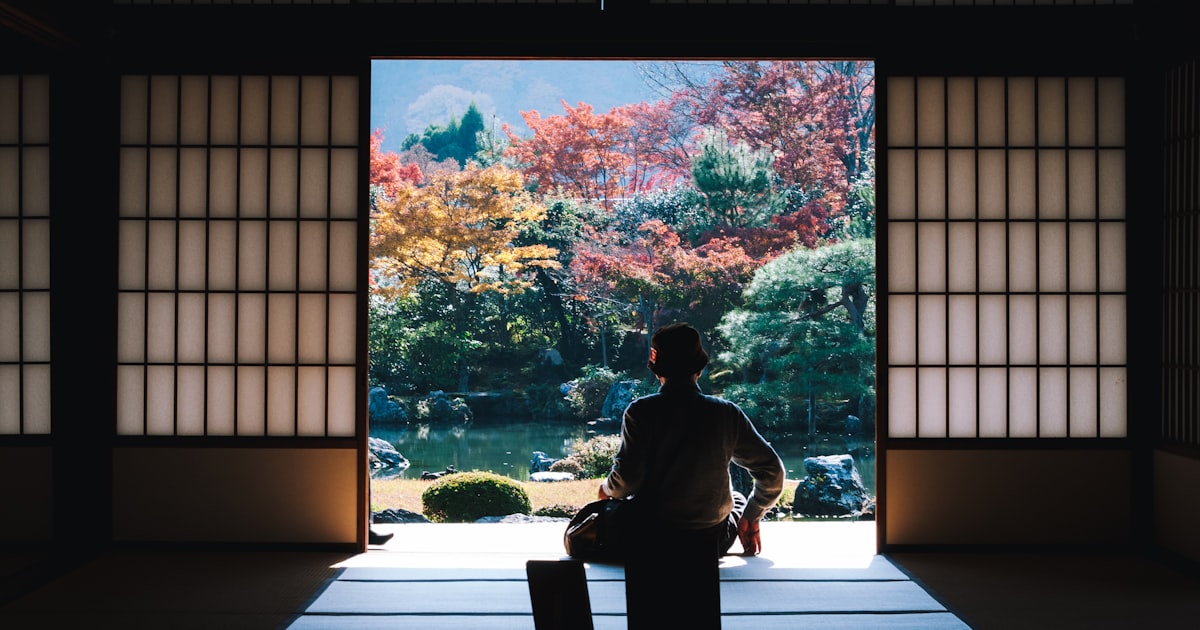
Japan is one of the most visited countries in the world, and for good reason — every season brings something genuinely worth traveling for. Cherry blossoms in spring, blazing maple trees in autumn, powder snow in winter. But "any time is a good time" is not useful advice when you're trying to plan a trip on a budget. The difference between booking the right week and the wrong week can be hundreds of dollars on flights, doubled hotel rates, and queuing an hour to enter a temple you could have walked right into a month earlier.
This guide cuts through the vague seasonal overviews and gives you specific timing, realistic flight prices, and honest crowd warnings so you can pick the season that actually fits your goals — whether that's catching peak cherry blossoms, seeing autumn foliage, or just getting there as cheaply as possible.
Cherry Blossom Season (Late March–Early April)
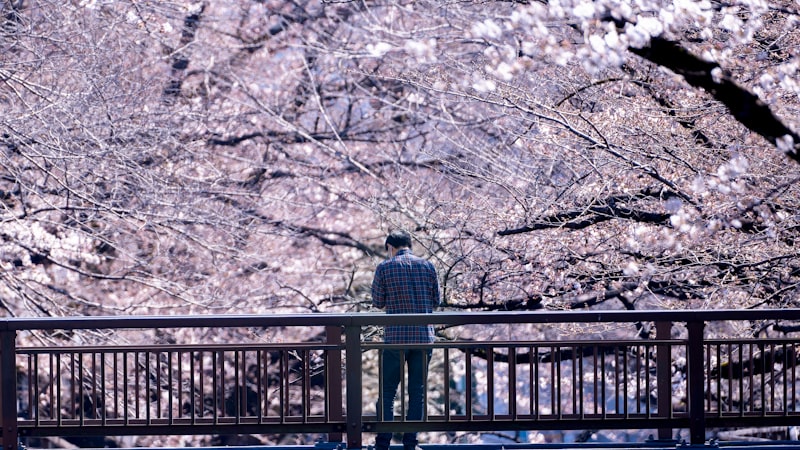
Sakura season is the most celebrated time to visit Japan, and it lives up to the hype. Parks fill with pink and white flowers, families spread out under the trees for hanami picnics, and every temple garden looks like a postcard. For many travelers, it's a bucket-list experience.
The timing is narrower than most people expect. The cherry blossom front (sakura zensen) moves northward from Kyushu in the southwest to Hokkaido in the north over about six weeks. In Tokyo and Kyoto — the most visited destinations — peak bloom typically falls between late March and the first week of April. But the window for full bloom at any single location is only about one to two weeks. A late cold snap can delay it; a warm spring can push it forward by ten days.
The practical consequences of traveling during peak sakura:
- Flights are expensive. Round-trip fares from the US to Tokyo routinely hit $1,400–$1,800 from major hubs during late March and early April. From Europe, expect £700–£1,100. Seats book out months in advance.
- Hotels follow the same curve. Budget guesthouses and midrange hotels in Kyoto and Tokyo can be twice the off-season price. Book at least three to four months ahead or expect very limited choices.
- The crowds are real. Fushimi Inari and Arashiyama bamboo grove are genuinely difficult to enjoy during peak season. Arriving before 7am helps, but only so much.
If cherry blossoms are your priority, they're worth the premium — but go in knowing what you're paying for. And remember that shoulder sakura weeks (mid-March when early bloomers open, or mid-April when the season reaches Tohoku) can give you the experience with 20-30% less crowd pressure and somewhat lower prices.
Autumn Foliage (November)
Autumn is Japan's second peak tourist season, and among repeat visitors it's often rated as the best time to go. The koyo (autumn foliage) season runs from late October through early December, moving from north to south — the reverse of the cherry blossom front.
In Kyoto and Nara, peak foliage typically hits mid to late November. The colors — deep crimson maples, golden ginkgos, orange persimmon trees against grey stone temples — are visually spectacular. The weather is also excellent: cool and dry, with daytime temperatures around 12–18°C (54–65°F). None of the summer humidity, none of the winter chill.
The trade-offs compared to cherry blossom season:
- Slightly cheaper flights. Autumn fares from the US typically run $1,100–$1,500 — still premium, but measurably lower than peak sakura weeks. From Europe, £600–£900 is typical.
- Similar hotel pressure in Kyoto. Kyoto in November is genuinely packed. If you're flexible, consider basing yourself in Osaka (30 minutes away by train) where accommodation is cheaper and easier to find.
- More forgiving timing. The autumn foliage window is wider than cherry blossoms — two to three weeks of excellent color rather than a single peak week — so a slight mistiming is less costly.
Autumn also coincides with excellent food season (matsutake mushrooms, chestnuts, new crop sake) and some of Japan's most atmospheric festivals. It's a strong choice if you can get the flights at a reasonable price.
The Cheap Season (Winter and Late Summer)
If getting to Japan as cheaply as possible is the goal, two windows stand out: January–February and late June through July.
January and February are the cheapest months to fly to Japan by a wide margin. After the New Year holiday rush ends around January 5th, demand drops sharply. Round-trip fares from the US to Tokyo can fall to $700–$950 — roughly half of peak cherry blossom pricing. European fares can dip below £500. Hotels drop too, and popular sites are genuinely walkable without fighting crowds.
The catch is winter weather. Tokyo in January is cold (2–9°C / 36–48°F) but manageable. What you gain instead is ski season: Hokkaido and Nagano get excellent powder snow in January and February. If skiing or snowboarding is on your list, this is peak season for that — just not for beach weather or outdoor temple exploration.
Late June and July (outside of the Obon holiday window) is the other cheap window. This is Japan's rainy season (tsuyu), running roughly from mid-June to mid-July. Flights are cheaper because fewer tourists want to visit. But the reality of rainy season is not as bad as it sounds — it doesn't rain all day every day, and hydrangeas and rain-soaked temple gardens have their own appeal. Humidity is high, though, and if that bothers you, winter is the better cheap-season option.
For a detailed breakdown of the cheapest months to book flights to Japan, see our guide on cheapest months to fly to Tokyo.
Avoiding Golden Week and Obon
Two holiday periods should be on every visitor's radar — not as times to go, but as periods to actively avoid unless you have no flexibility.
Golden Week runs from late April through early May, spanning four national holidays: Showa Day (April 29), Constitution Day (May 3), Greenery Day (May 4), and Children's Day (May 5). Many Japanese workers take the entire week off. Domestic travel surges. Bullet trains sell out weeks in advance. Popular tourist destinations operate at their highest crowd levels of the year. Hotels are expensive and often fully booked. International flight prices spike as well.
Obon falls in mid-August (typically August 13–16, though the dates shift slightly by region). This is Japan's main summer festival period for honoring ancestors. Again, massive domestic travel movement — highways and trains are packed, and accommodation in rural areas and coastal towns fills up completely. Tokyo and Osaka actually see some locals leave for home provinces, making them slightly easier to navigate, but any tourist destination popular with Japanese domestic travelers becomes very crowded.
If your travel dates fall in either of these windows, expect to pay a significant premium and accept that infrastructure will be operating at capacity. Booking everything months in advance is not optional — it's the only way to secure accommodation at all.
Seasonal Flight Price Differences
Here's a realistic summary of what you'll pay for round-trip flights from major US cities to Tokyo (Narita or Haneda), depending on season:
- Peak cherry blossom (late March–early April): $1,400–$1,800+
- Golden Week (late April–early May): $1,300–$1,700
- Early summer / rainy season (June): $800–$1,100
- Summer peak with Obon (July–mid-August): $1,000–$1,400
- Autumn foliage (November): $1,100–$1,500
- Winter cheap season (January–February): $700–$950
These ranges are for economy class from US hubs. Prices from European cities run roughly 30–40% lower in absolute terms, but the seasonal pattern is the same.
Beyond timing, where you search for your flight matters as much as when you book. Airlines use regional pricing — the same Tokyo flight can cost meaningfully different amounts depending on which country's booking site you use. RegionFare searches across 97 country markets simultaneously, so you can see whether booking via a different country's Skyscanner, Kayak, or Kiwi saves you money on your specific dates.
Planning a Japan trip? Find the cheapest flights for your dates across 97 markets
Search on RegionFareWhich Season Is Right for You?
There is no single "best" time to visit Japan — the right answer depends on what you're optimizing for. Here's a practical summary:
- Cherry blossoms are your main goal: Late March to early April. Budget for premium flights and book accommodation three to four months out. Check the Japan Meteorological Corporation's bloom forecast in February to fine-tune your dates.
- Autumn foliage: Mid to late November in Kyoto, Nara, and Tokyo. Slightly easier on the budget than sakura season, with equally stunning visuals and better weather for walking.
- Cheapest possible flights: January–February. You get off-peak pricing, no crowds at major sites, and excellent ski options. Bring a proper coat.
- First visit, flexible dates: October is an underrated sweet spot — foliage hasn't peaked yet so it's cheaper and less crowded than November, but the weather is excellent and Japan's scenery is already beautiful.
- Avoid at all costs (unless unavoidable): Golden Week and Obon. If these are your only options, book everything immediately and pay what it costs.
Whatever season you choose, the cost of getting there is the single largest variable in your Japan travel budget. Use RegionFare to compare flight prices across multiple markets before you book — on a long-haul route like this, finding the right market can easily save $150–$300 on the airfare alone.